What is metamerism?
Metamerism is the phenomenon that occurs when two colors are perceived as the same under specific lighting conditions, but are perceived differently under other lighting conditions. These color pairs are called metamers. The phenomenon of metamerism is caused by the different composition of the two colors (the metamers), since they are not identical and therefore do not always behave in the same way under a given light.
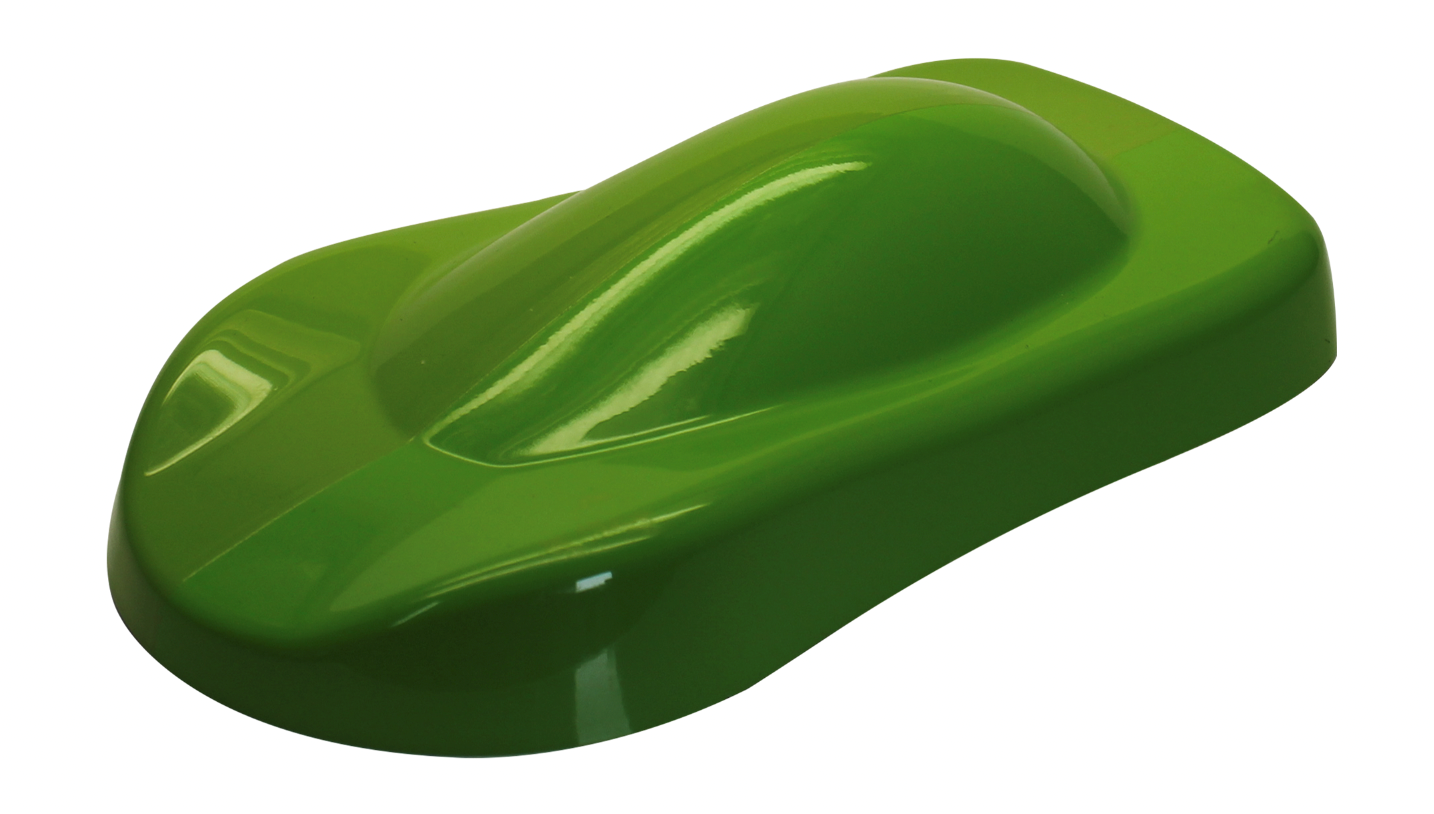
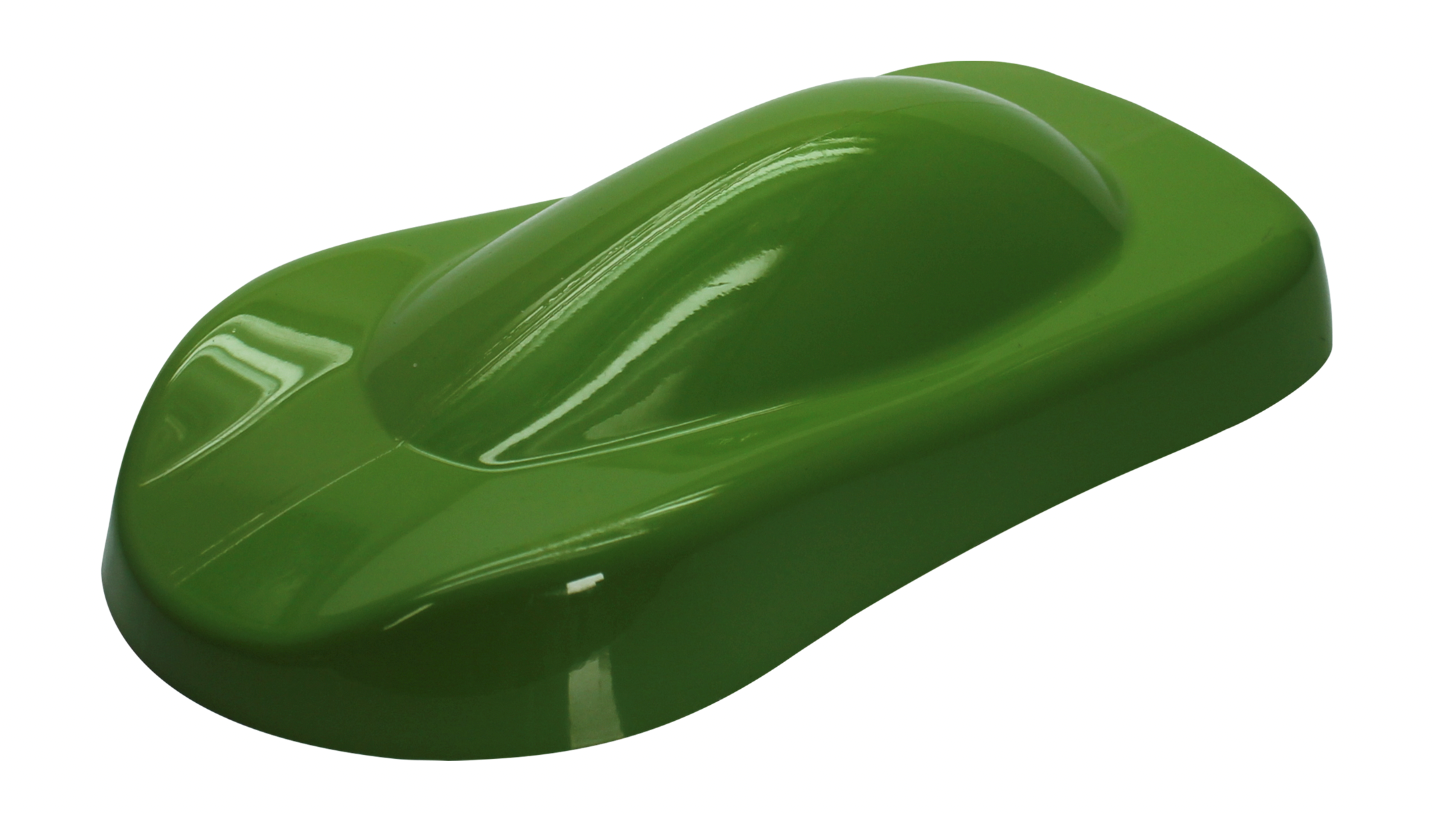
What causes metamerism and how does it work?
As each pigment behaves in a particular way, when it comes to choosing the pigments that make up a given color, this is largely based on the metamerics produced when duplicating that color for applying it on a given surface.
The functioning of metamerism revolves around the fact that the perception of a color is defined by the object (pigments), the light source and the observer. If the pigment composition of the object is not the same, a change of light may result in a differently perceived color, whereas before, under a different source of light, they seemed identical.
Each light source has specific characteristics, which are related to the spectral curve and which provide information about the light composition:
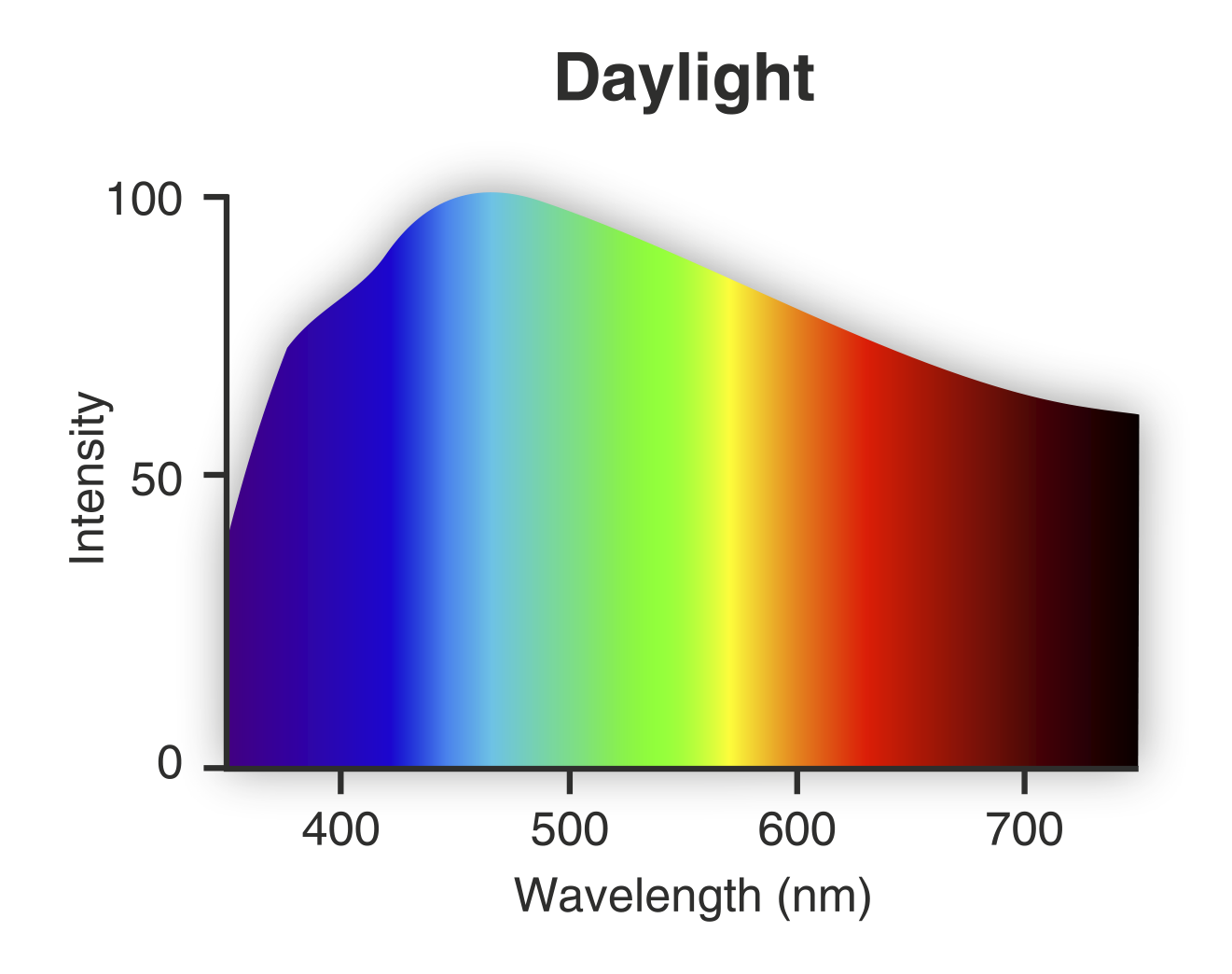
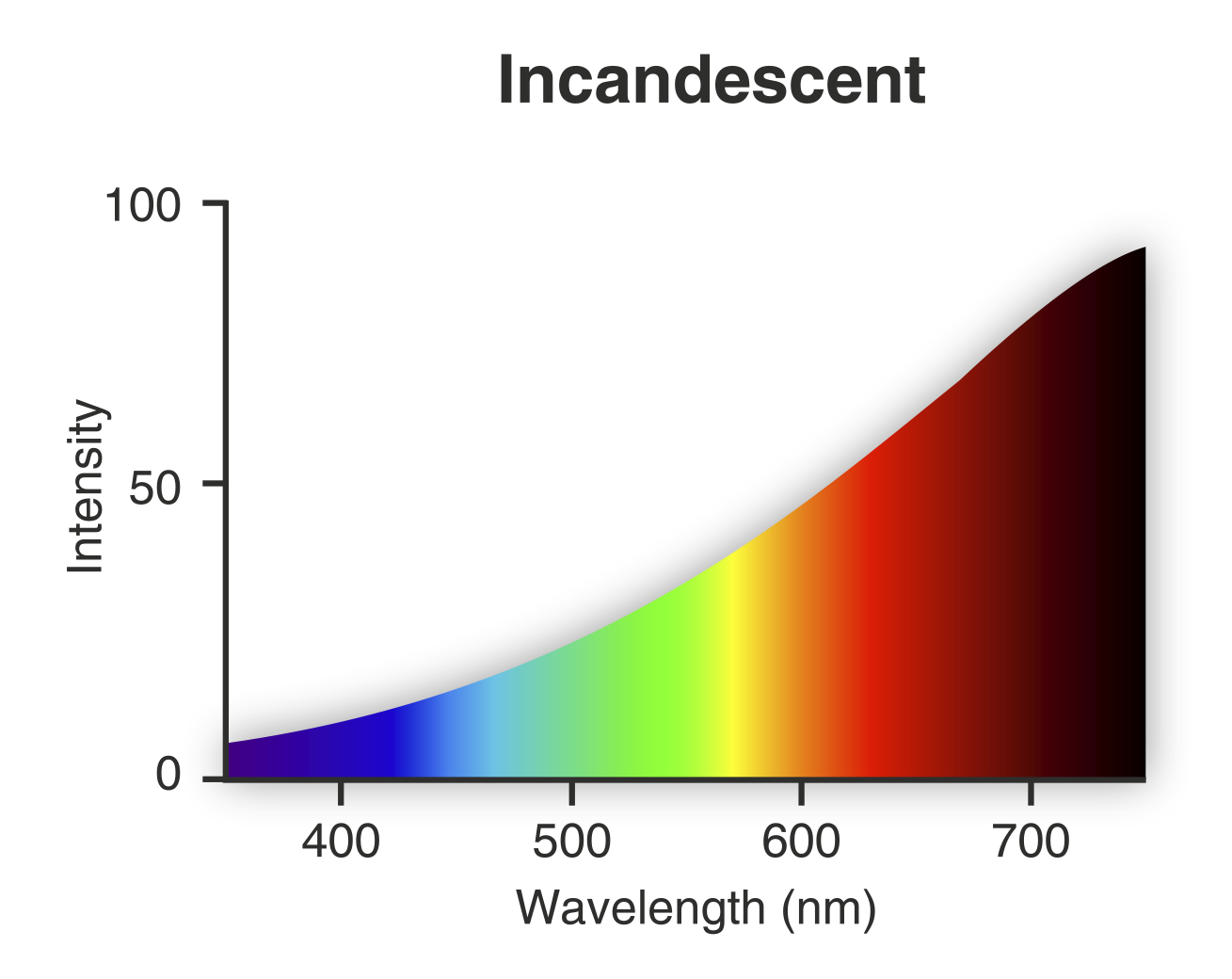
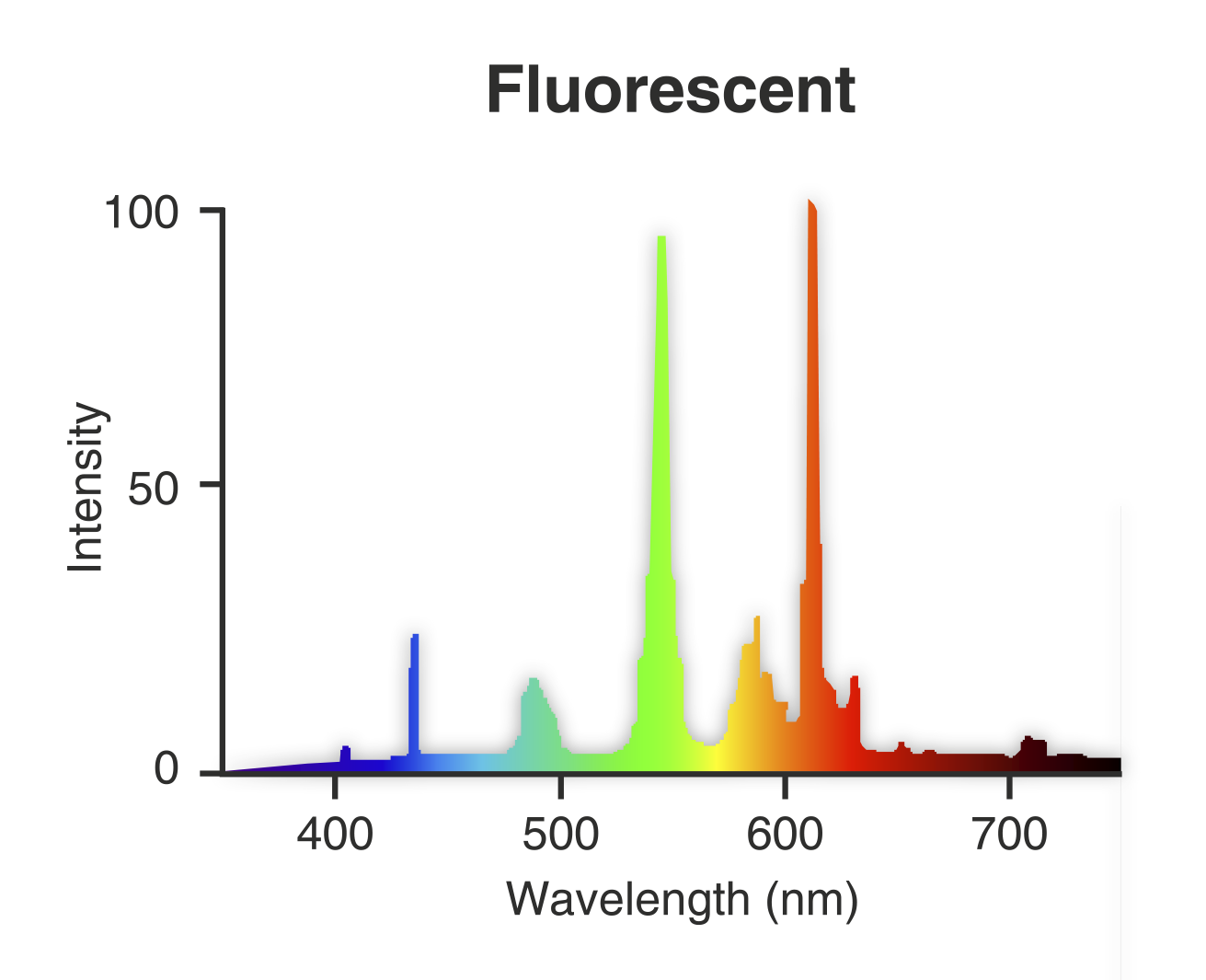
If metamerism cannot be avoided, we then focus on duplicating the color under daylight conditions, as this has the least impact. Daylight has a high intensity curve over the entire visible spectrum – that is why we perceive it as white, since it is the sum of all colors. Whereas the incandescent light of an old light bulb makes us perceive objects as more reddish due to the large amount of energy they contain in the red part of the spectrum.
Furthermore, objects or colors also have a spectral curve that is characteristic of the mixture of each pigment that composes it, i. e., its DNA. In this case this curve indicates how it reflects the light, regardless of its type.
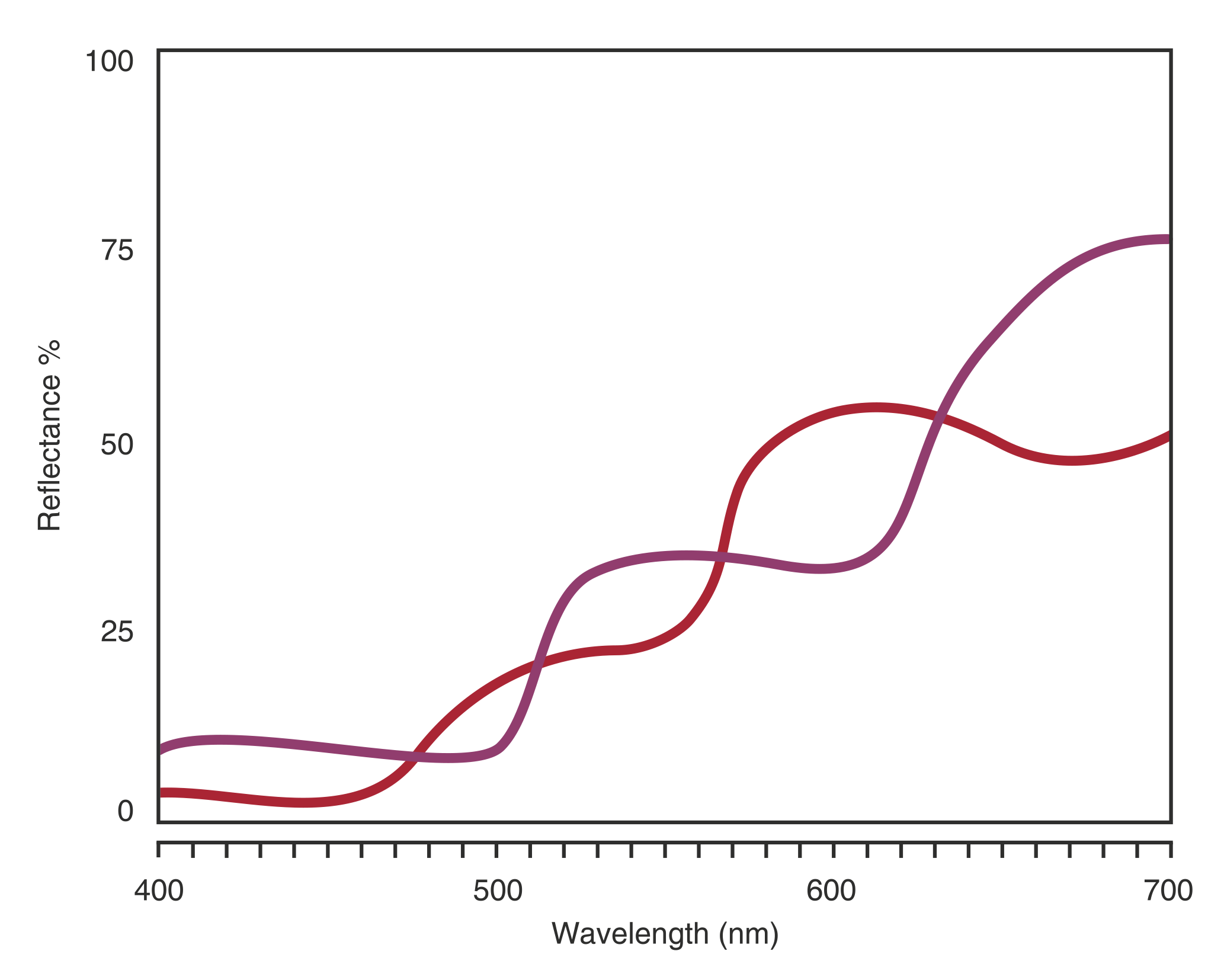
In general, any two colors exhibiting metamerism will have reflectance curves like the ones shown above. In this case we are dealing with two shades of red, meaning that they have higher reflectance in the red region of the visible spectrum. The curves are similar but not identical and have several cut-off points between them. Depending on the source of light, the colors may look identical or not, due to this relative similarity.
In the laboratory we aim to duplicate the pigment combination as closely as possible so that the colors do not present metamerism with regard to the pattern on which they are based; if this cannot be avoided, we always prioritize the standard light, which is D65.
What does D65 mean? What is the temperature of light?
“D” is the light pattern that simulates daylight and 65 refers to the temperature of 6500K which, as can be seen in the graph below, corresponds to white light.

An interesting fact to note is that light with a redder temperature actually has a lower temperature, contrary to what we usually mean when we refer to a “warm light”.
There are many types of light, each with its own particularities: fluorescent, LED, incandescent, daylight, etc.
How can we analyze the metamerics in the bodyshop?
The laboratory has booths that simulate different types of light. End users have tools such as the Roblight, a portable LED lamp that has different light temperatures, to analyze how a color is perceived under different types of light.