The standard bodywork color small taboo in cars was broken several years ago. Previously there was a predominance of bright colors, but now the trend is towards matte or less bright colors that give the bodywork a distinctive touch.
What is a matte color?
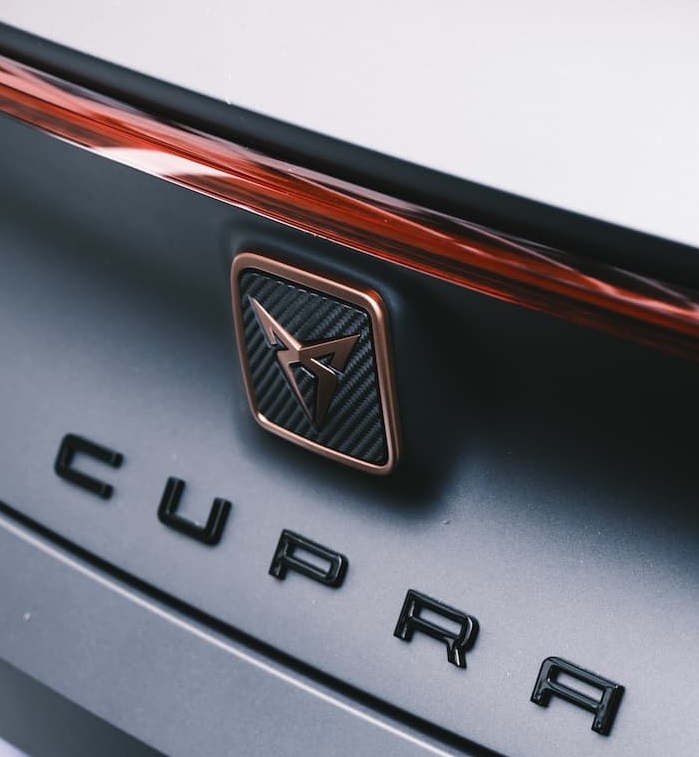
In car bodywork, we refer to matte color when we apply a matte clear coat, that is, not shiny, over the colored paint. Recently, brands like Cupra are lowering the brightness of their models, such as the Formentor, to levels never seen before in standard colors (approx. 5% brightness at 60º).
What does a matte color do?
The matt clear coat contains a series of mineral compounds that prevent the surface from being completely smooth. In this way light cannot be reflected directly and any reflection is eliminated.
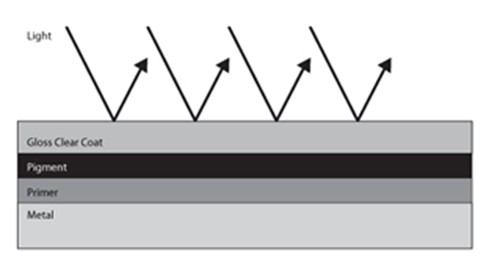
Light on gloss clear goat

Light on matte clear goat
What makes a matte color complex?
A matte clearcoat is affected by a number of variables that do not have such a direct influence on a glossy clearcoat, such as, for example, the following:
- Drying times – Quick drying gives brighter results.
- Particle thickness – Thinner particles give a more matte result.
Special attention should be paid to reworking matte colors, since a matte color cannot be polished, since it would gain shine. For this reason, the painting of a matt color must be very scrupulous in terms of cleanliness, both of the bodywork and of the environment.
If you want to know more about matte clear coats, don’t miss the blog entry of “Everything you need to know about matte clear coats on bodywork”.