Achieving a professional topcoat in industrial painting is not a matter of luck, but of technique and precision. A good painter knows that it is not enough to apply the paint and wait for it to dry; it is essential to follow certain steps that ensure quality, resistance and an impeccable result.
Do you want to know how to achieve this? Read the article to find out more.
1. Use a Viscosity Cup
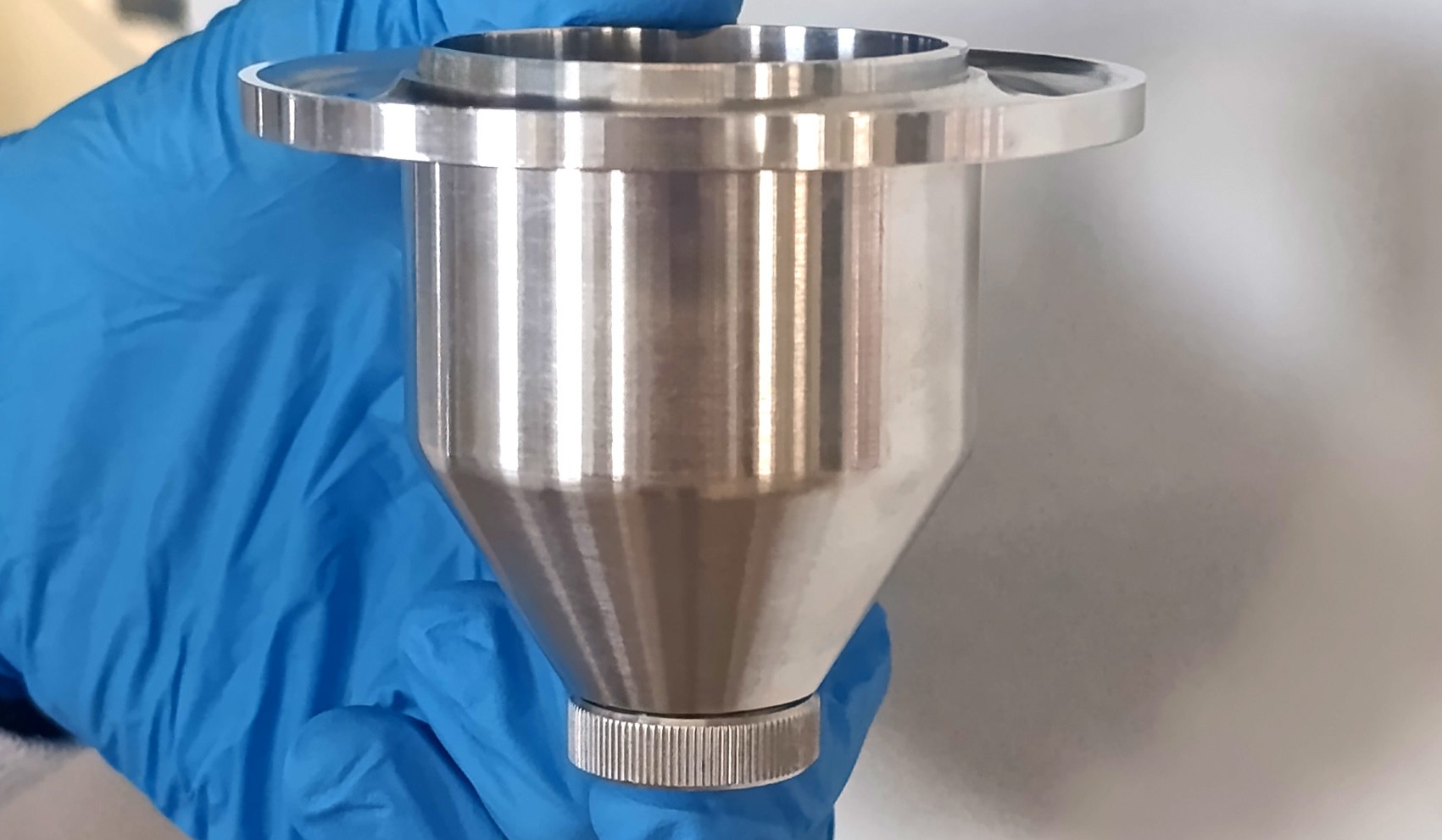
The viscosity of the paint is key for a uniform topcoat. If it is too thick, it can cause application and drying issues. If it is too thin, it may drip and sag. To avoid these problems, use a viscosity cup and check that the product you are going to use has the right fluidity according to the manufacturer’s specifications to guarantee the best results.
There are different types of cups, but the most common for coatings are the Ford cup, the DIN cup or the ISO cup. How does a viscosity cup work?
- Mix the paint thoroughly.
- Fill the cup while covering the hole in the base with your finger.
- Lift the cup and uncover the hole in the base so that the paint flows through it
- Measure the time it takes for the paint to flow until the cup is completely empty
- Compare the results with the reference values in the product data sheet to see if the product is within the appropriate range.
2. Control Temperature and Humidity
Environmental factors such as temperature and humidity directly affect the drying and adhesion of paint. An overly humid environment can cause defects such as bubbles or lack of adhesion, while extreme temperatures can alter fluidity and drying time. If you cannot control the environment, choose the right products and processes to work under those conditions.
3.Respect Curing Times
Product technical data sheets exist for a reason—follow them exactly to ensure a strong, durable topcoat. Don’t rush to apply a second coat if the recommended flash-off time between coats has not passed. Patience leads to better results.
4. Prepare Surfaces Properly
Surface preparation is a key stage that directly influences the adhesion and durability of the coating. Before applying the paint, make sure the surface is clean, dry and free of contaminants such as dust, grease or rust. Poor preparation can cause the paint to flake or not adhere properly. Sanding and degreasing the surface and using a good primer can make all the difference.
5. Measure Coat Thickness
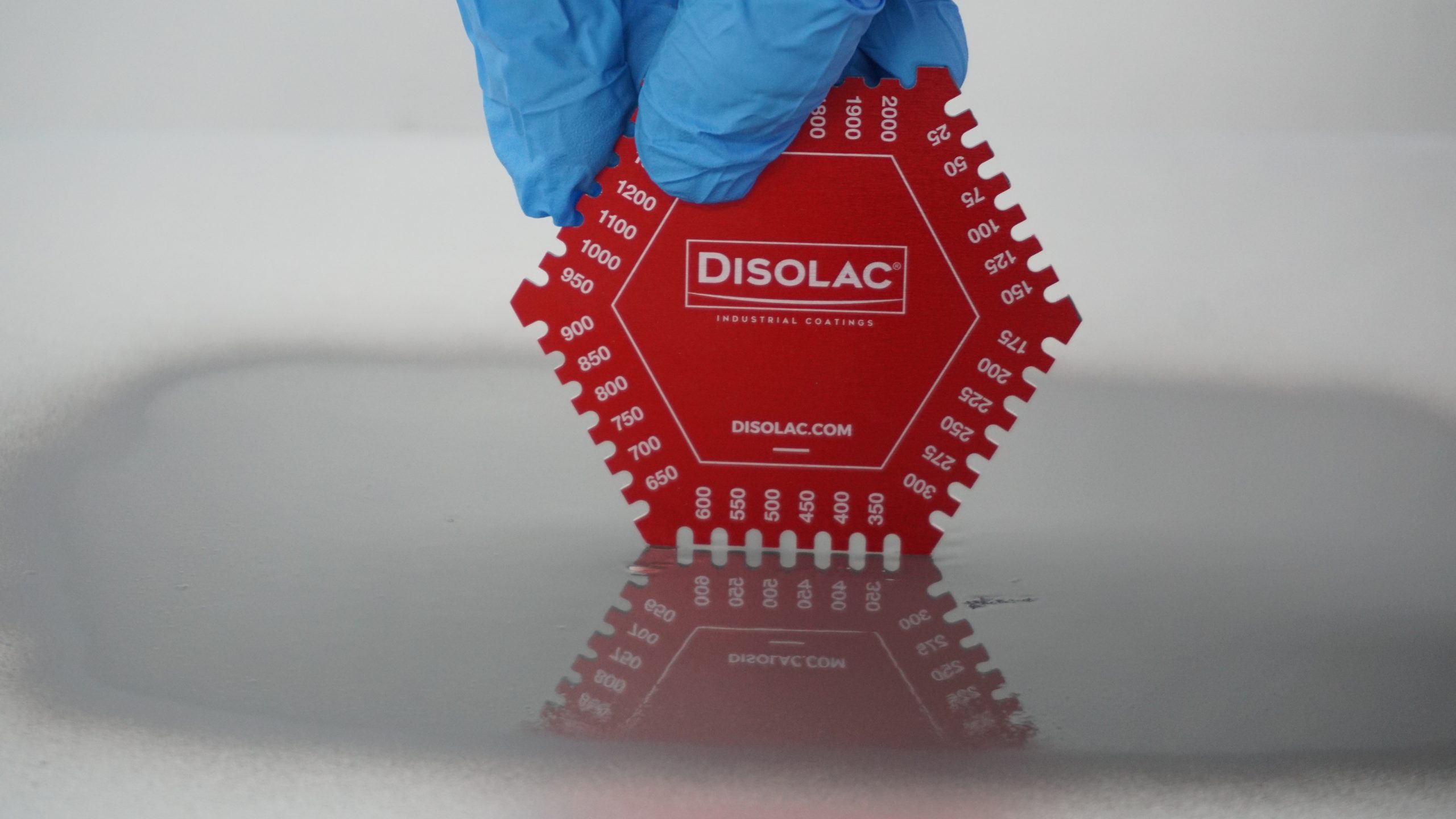
Using a thickness gauge allows you to ensure that the paint has the right thickness for a tough finish without wasting material. If it is too thin, the protection or coverage will be insufficient; if it is too thick, it may crack, adhere poorly, or cause drying defects.
Conclusion
Painting isn’t just an art—it’s a science. By following these good practices, you will achieve high quality, durable and professional results. So next time you pick up the spray gun, remember these tips and you will see the difference in your work.
Let’s get to work!