In the field of industrial coatings, one of the most common and frustrating defects for applicators is paint blistering. This issue can occur in both manual and mechanized applications, directly affecting the aesthetic quality and durability of the coating. Moreover, when these bubbles appear in high-protection systems (those that must meet strict technical requirements regarding thickness, adhesion, and uniformity to pass inspections or certifications), they can force the entire process to be repeated, with the consequent additional investment of time and resources.
In this article, we explain exactly what blistering is, why it occurs, how to prevent it, and what solutions are available when it has already appeared.
What is blistering in industrial paint?
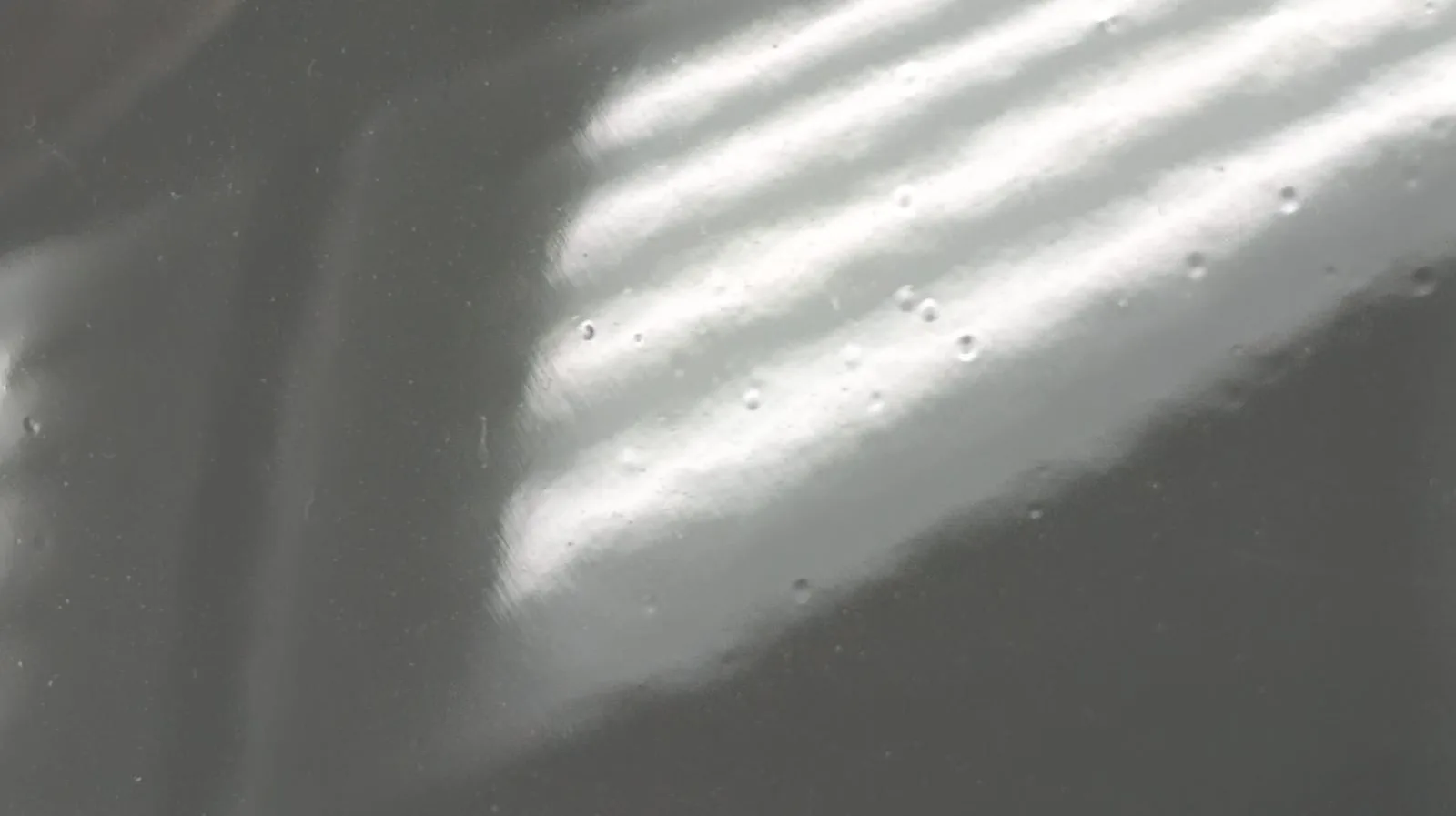
Blistering refers to small bubbles or cavities visible on the surface of the coating. It forms when air becomes trapped between the outer coat of paint and the previously applied layer. During drying, this trapped air tries to escape, creating a visible defect that compromises both the topcoat and the protection of the coated substrate.
In addition to affecting appearance, these bubbles can create microcracks or weakened areas that reduce the coating’s resistance to chemicals, moisture, or harsh environmental conditions.
Main causes of blistering
Bubbles can have various origins, but the most common causes in industrial paint are the following:
- Excessive shaking of the paint
Shaking the paint too vigorously during preparation can incorporate air into the mixture, creating micro air bubbles that then become trapped in the applied coat. When paint is mixed very vigorously, especially with mechanical stirrers or high-speed rods, air often enters the product and does not have time to escape before application. This significantly increases the risk of air becoming trapped between coats and appearing as visible bubbles during drying.
- Presence of water on the surface
The presence of water on the substrate surface is often caused by sudden temperature changes. If the surface is not properly inspected before painting, this thin layer of moisture becomes trapped beneath the paint coat and, as it evaporates, it creates internal bubbles. This phenomenon is especially common in areas with high ambient humidity or when the substrate quickly moves from a cold to a warm environment.
The combination of air trapped in the paint and moisture retained in the substrate is one of the most common causes of blistering.
- Humidity in compressed air
Applying paint with a compressed air system that contains moisture can also lead to blistering in the coating. When compressed air contains moisture due to saturated filters, lack of purging, or poorly maintained equipment, small water droplets form and mix with the paint during atomization. This moisture is deposited on the surface along with the coating and becomes trapped in the fresh film.
As the paint dries, trapped water attempts to evaporate, creating bubbles, raised spots, or visible irregularities in the topcoat. The risk increases in warm environments or in conditions of high relative humidity, which is why maintaining the compressed air system in good condition is essential to avoid this issue.
- Incorrect adjustment of the application equipment
Incorrect equipment settings can introduce air into the applied coat and directly affect the quality of the coating. Excessive pressure can over-atomize the paint, generating turbulence and trapping air in the wet film. Conversely, too little pressure produces uneven atomization, results in poor atomization, leaving coarser particles that can facilitate the formation of bubbles.
Beyond pressure, factors such as the nozzle size, application distance, pass speed, and spray angle also influence the creation of a uniform coat. Poorly adjusted equipment can cause paint to be distributed unevenly on the substrate, creating areas where air becomes trapped or where the coating does not properly level. Following the recommendations in the technical data sheet and performing preliminary tests helps ensure a stable, defect-free application.
- Reducers that evaporate too quicklyUsing reducers with a very fast evaporation rate can cause the surface of the paint to form a film before the trapped air has time to escape. This leads to visible bubbles, small cavities, or an uneven finish. This problem is especially pronounced in warm environments or in areas with insufficient ventilation, where the drying speed naturally increases.In addition, fast reducers can affect the leveling of the coating, making it difficult for the paint to spread properly over the substrate. This can create areas where more air becomes concentrated or where the film becomes uneven before drying. Choosing a reducer suitable for the climate, the type of application, and the recommendations in the technical data sheet helps ensure balanced drying and prevents surface defects.
How to correct blistering in industrial coatings
When blistering has already appeared on the surface, it is important to take appropriate action to restore the topcoat and prevent the issue from recurring. Depending on the type of coating system and the performance requirements of the project, there are two main methods to correct it.
- Sanding and repainting
For minor defects or standard protection systems, the most common approach is to sand the affected area until the bubbles are completely removed, and the surface is smooth. Once leveled, reapply the coat of paint following the product’s technical recommendations. This method is quick, efficient, and sufficient for most repairs, provided that the source of the problem has been corrected beforehand to prevent it from reappearing.
- Sandblasting and repeating the entire process
In high performance projects, such as industrial structures, equipment exposed to demanding conditions, or systems requiring specific certifications, the safest solution is to blast the entire substrate. This action completely removes the defective coats and ensures optimal adhesion by restarting the process from scratch. After blasting, the full coating system is repeated in accordance with the manufacturer’s specifications, ensuring a uniform, resistant, and long-lasting topcoat.
One step closer to excellence in every application
The performance of an industrial coating depends not only on its formulation, but also on the precision with which each stage of the process is controlled. Air bubbles, although common, can be avoided through proper preparation, suitable environmental conditions, and optimal equipment adjustment.
Adopting these best practices not only improves the quality of the topcoat but also avoids repeating processes and ensures more reliable and durable results. With the right knowledge and consistent application, every project can become an opportunity to raise the standard and take your coatings to the next level.
Did you like this article? Discover more tips and improve your technique on our blog: 5 good practices for the industrial painter.