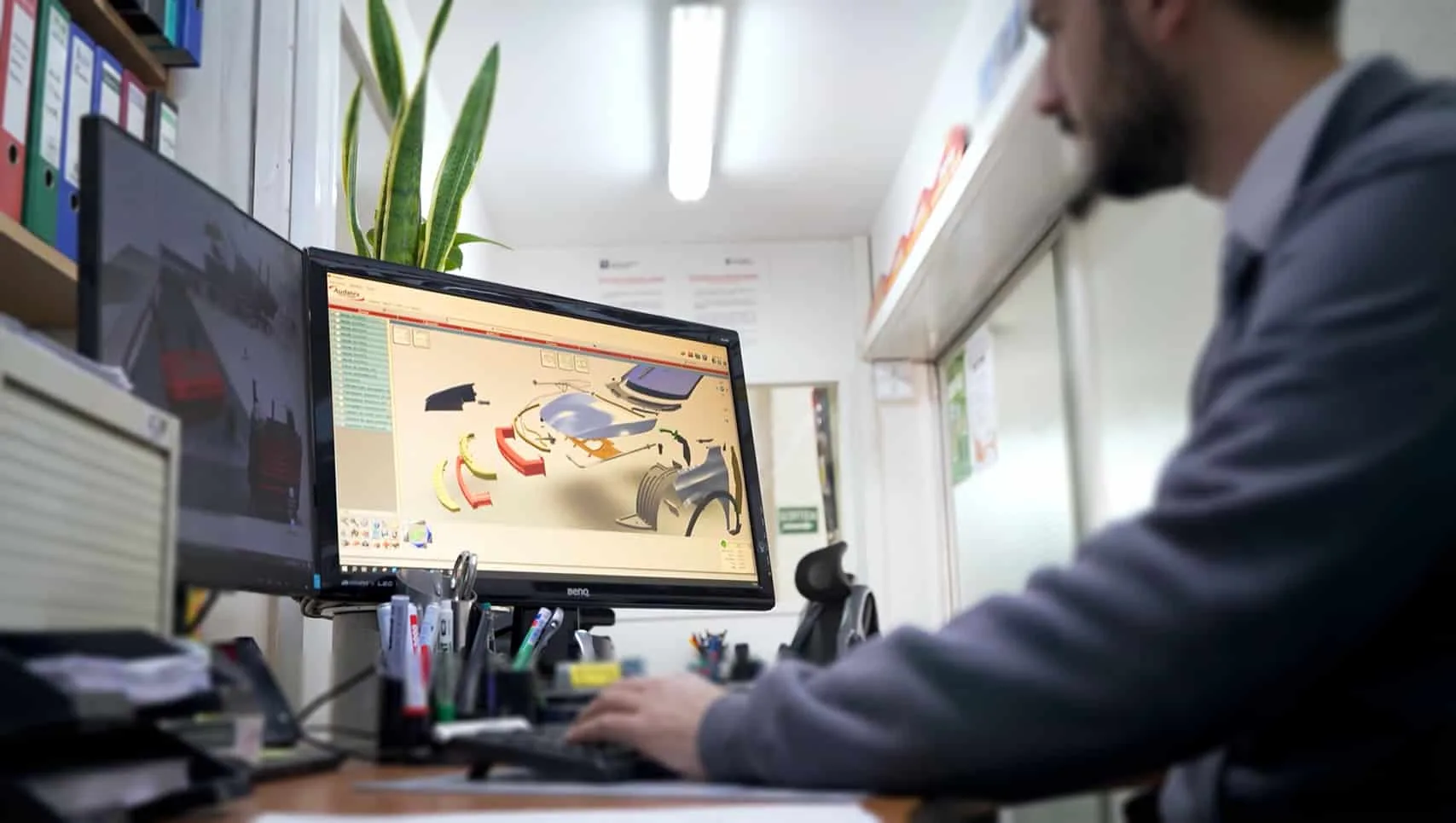
In the field of vehicle repair, paint time databases have become one of the most debated topics in recent years. These systems, used to standardize time and cost estimates for refinishing jobs, serve a key function: facilitating consistent assessments among body shops, appraisers, and insurance companies.
In this article, we explain what a paint pricing guide is, what elements it typically includes, and what challenges the various stakeholders face.
What is a paint time database and what is it used for?
A paint time database is an assessment system composed of rules, tables, and parameters that allow for the standardized budgeting of paint jobs. Its purpose is to estimate labor times and the materials required based on the type of repair and the extent of the damage.
Most refinishing labor time guides have been developed to facilitate the assessment of claims and ensure consistent criteria among the different parties involved in a repair. Although there are different solutions depending on the country or market, they all serve the same purpose: to provide an objective reference for calculating the cost of a repair.
Each database has its own calculation methodology, so there may be significant differences between them. However, they all aim to provide transparency and consistency in the valuation of painting work.
One of the most common concepts within these systems is the paint constant, which represents the time and materials required for the initial preparation of the product before application. This process includes operations such as mixing, color matching, or sampling. It is a fixed cost that is typically applied regardless of the surface area to be painted and is usually considered once for each different color used in the repair.
What do paint time databases include?
Although each time guide operates differently and uses its own criteria, most cover two main areas of assessment: labor hours and materials consumed during the repair.
- Labor Hours
The refinish labor guides include the times associated with the preparation and painting of the vehicle’s exterior surfaces. These times allow for the calculation of the labor required to complete the repair and typically cover the different phases of the refinishing process.
Accurately estimating these times is essential for determining the actual cost of the repair and properly planning the body shop’s workload.
- Paint Materials
In addition to labor, the standards account for the materials needed to carry out the repair. These include consumables and standard products used in the refinishing process, such as sandpaper, reducers, primers, paint, clear coats, filters, and hardeners, among others.
Including these materials allows for a more realistic assessment of the costs associated with each repair.
How do different paint time databases calculate damage?
Although there is no universal methodology, most standards use similar indicators to assess the extent of the damage and determine the cost of the repair.
Among the most common criteria are:
- Assessment of the damaged surface
The size of the affected area is one of the most important factors in determining the time and materials required. The larger the surface area to be repaired and refinished, the higher the assigned estimate.
- Length of the scratch or damage
In certain repairs, especially those involving surface damage, the length of the scratch or visible mark can directly influence the cost estimate.
These parameters allow the estimate to be tailored to the actual characteristics of the damage and to provide more accurate quotes.
Debate on paint time databases within the industry.
For several years now, the application of paint standards—which are essential if the body shop performs repairs covered by insurance companies—has generated intense debate within the industry.
On the one hand, the standards provide a common basis for managing repairs. They allow for the establishment of objective criteria to calculate how long it should take to paint a part or how much material to use, which helps streamline the appraisal and billing processes. This standardization is particularly relevant in an environment involving multiple stakeholders where operational efficiency is critical.
However, the current automotive landscape has evolved significantly. The introduction of new materials, more sophisticated finishes (such as three-stage or matte paints), and emerging technologies in vehicles has increased the complexity of auto body shops. In this scenario, some industry professionals are questioning to what extent current standards accurately reflect these new realities or whether more frequent updates to the assessment criteria are necessary.
Another aspect of the debate is the relationship between the scales and the cost of materials. The price of paint products, as well as environmental and regulatory requirements, have changed over time. This has sparked discussions about how these factors are integrated into calculation systems and whether current models can adapt dynamically to these changes.
Furthermore, the use of specialized software for damage assessment has improved efficiency but has also raised questions about the transparency of certain processes. Since these are complex tools, it is not always clear how certain parameters are determined, which has spurred interest in greater clarity regarding the criteria applied.
Ultimately, the controversy surrounding paint scales is not driven by a single factor, but by the evolution of a constantly changing industry. While some defend their role as an essential tool for organization and cost control, others point to the need for continuous adaptation to the technical and economic realities of the market.
A Key Tool for the Industry
Although there are different valuation systems depending on the market or country, they all share the goal of providing an objective reference for the time and materials required for each repair. When used correctly, they enable better decision-making, more efficient work planning, and strengthen the body shop’s position with customers, appraisers, and insurance companies.
However, there is an ongoing debate—far from being settled—that highlights the importance of finding approaches that balance efficiency, quality, and sustainability within the auto body shop ecosystem.