For some years now, multi stage colors have been gaining ground in the market compared to two-coat colors, and are no longer reserved exclusively for high-end cars. Most vehicle manufacturers offer these colors on their models, so bodyshops increasingly have to take on repairs with multi stage colors.
Difference between two-coat and three stage
First of all, it is important not to confuse the meaning of the word coat in this context. The term coat in this case refers to a formula, regardless of the number of layers or coats applied of each component.
Two-coat colors – the classic colors – consist of one color layer, which can be applied in more than one coat, and a clear coat layer. Three stage colors therefore consist of two color layers – each with different formulations – and a clear coat layer.
Multi stage colors
Multi stage colors were developed to expand the limits of colors, which cannot be achieved with the two-coat system. They are created by separating certain ingredients by layers.
In this system there are two layers that provide color. The second layer is more transparent than the first, which means that the thickness of this layer is very important and that the painter needs to calibrate the painting system.
Three stage colors
A three stage system is a system in which:
- The first layer is usually solid
- The second layer is mostly transparent, with a pigment effect (usually a pearl pigment)
- The third layer is a clear coat
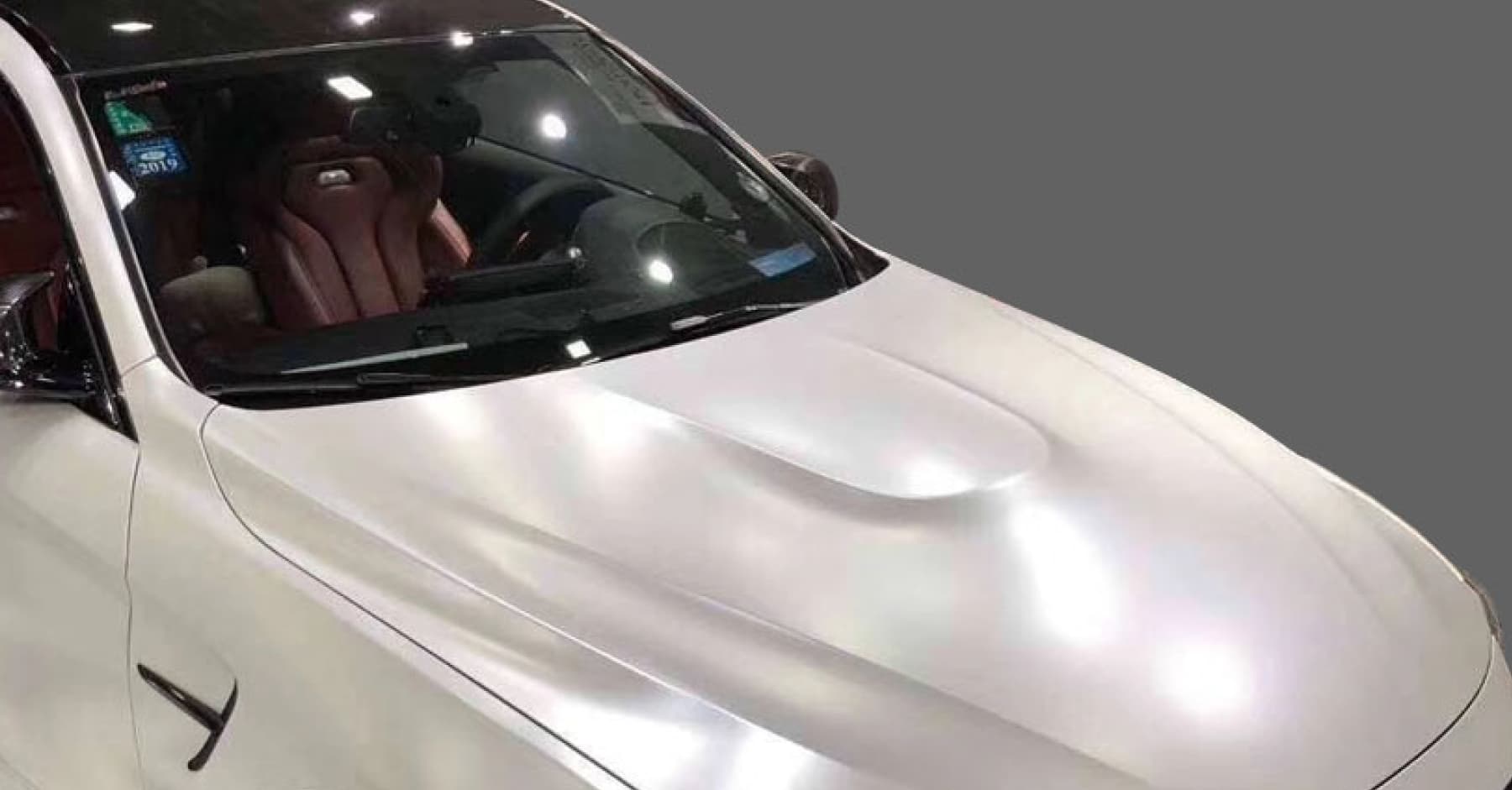
The three stage system is used for pearl effects because pearl is a very transparent particle that can become opaque when mixed with certain solids, especially in whites, yellows and oranges. These solid colors absorb the light, blocking the pearl inside the layer. The only way to solve this problem is to separate the solid color and the particle into two layers
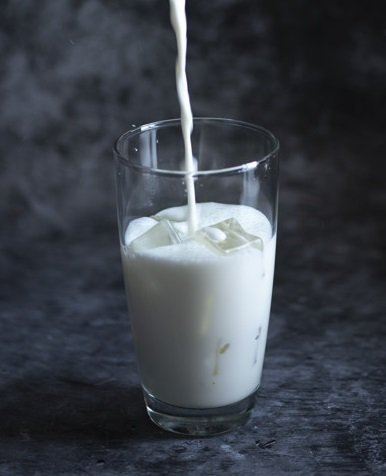
For example: if you fill a glass containing ice with milk, the milk itself will make the ice invisible, because the white pigment of the milk (titanium dioxide) does not let the light pass through and the pearl particles are not visible.
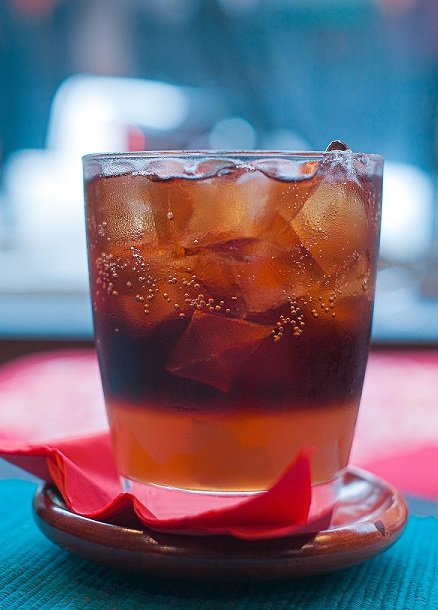
On the other hand, in a black pigment, such as a glass of cola with ice in it, the light penetrates enough for the particles to be visible. For this reason, the three stage system isn’t commonly used with black colors.
Candy colors
A candy color is made up of:
- A first layer which is a metallic layer (purely or mostly metallic). Provides texture.
- A second layer that is very transparent: this may be a tinted clear coat or an ultra-transparent base coat (with a high proportion of resin). Adds color effect.
- A third clear coat layer. Provides protection.

The term candy refers to the intensity of color that can be achieved with this system. Normally used in blue, green and red colors, which are quite transparent to begin with. Very transparent yellows and oranges usually require external dyes.
In the case of candy colors, the color layer is applied on top of the effect layer in order to avoid diluting the color or reducing the gloss. It can in turn be dyed much more, achieving very bright colors with a very notable flop.
(*) flop is the visual effect of the color when viewed from different angles.
The use of colorings is not recommended because, despite their magnificent transparency, they are not very stable.
The use of colorings is not recommended because, despite their magnificent transparency, they are not very stable.
In the second layers of both systems, it is important to take into account the thickness applied, along with the amount of particle or dye with respect to the binder (resin) and clear coat, since this will determine the density of the particle or the final color effect.
If you found this article on multi stage colors such as three stage and candy colors interesting, sign up for Crom Campus to expand your knowledge on color and begin your training at your own pace.