A few weeks ago, we carefully selected 5 legendary bodywork colors that we loved. In that post, we promised you that later we would choose another 5 legendarycolors that would spark nostalgia and bring out our emotional side when we see a classic car. And since promises are promises, it’s time to show you the colors we have chosen this time. We’re sure you’re going to love them!
Legendary Color 6 – Arancio Borealis by Lamborghini
Lamborghini is a brand that is well known amongst motoring enthusiasts. Its vehicles have unique and aggressive sporty lines that are combined with striking colors. In spite of this, this manufacturer started out in the motoring world as an agricultural vehicle manufacturer, an activity that it still continues today. In addition, its creator Ferruccio Lamborghini never invested in the world of competition, so the car’s presence at these types of events is very limited.
One of Lamborghini’s most iconic colors is the Arancio Borealis. It is a light orange color with a pearlescent effect that gives it an electric touch and looks great on some of this brand’s models, such as the Lamborghini Diablo. In fact, this type of color has accompanied this model for decades, being one of the most often seen on Spanish roads. The color is very striking and leaves no one indifferent.

Legendary Color 7 – Gulf Orange and Blue
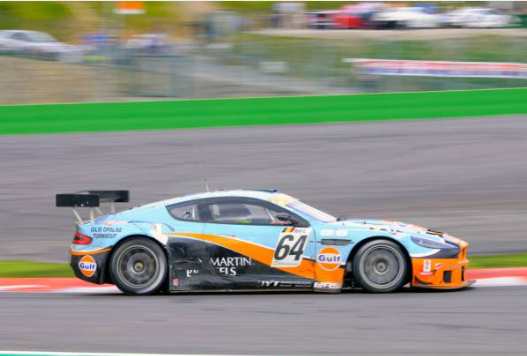
Gulf is an oil company that has sponsored motor racing competitions such as Le Mans since before the mid-20th century. The colors of its logo have been used by different automotive brands that participate in motor racing competitions, such as Fiat, Aston Martin, Porsche, Audi and Ford, among others. They have also been used to coat a Ducati racing motorcycle. You can check out all these vehicles here.
However, one of the most emblematic partnerships of this brand is with McLaren. The two organizations have had a special relationship for many decades, having joined forces in the 1960s. Since then, McLaren has always worn the Gulf badge or colors in one way or another. In fact, in 1997, when it won the 24 Hours of Le Mans, the single-seater car was coated in the colors of its partner and, since last year, McLaren has gone back to wearing these colors as a way of honoring and remembering that victory.
Gulf’s characteristic colors are sky blue and orange. Both colors are plain, without any kind of effect, something that is not necessary because they combine perfectly. While the sky blue is a brighter color, the orange has a more pronounced and powerful tone. Interestingly, the original Gulf blue was much darker than the one we know today. This change occurred when they bought another oil company that used the current sky blue as the brand’s representative color.
Legendary Color 8 – Alpine Blue by Renault
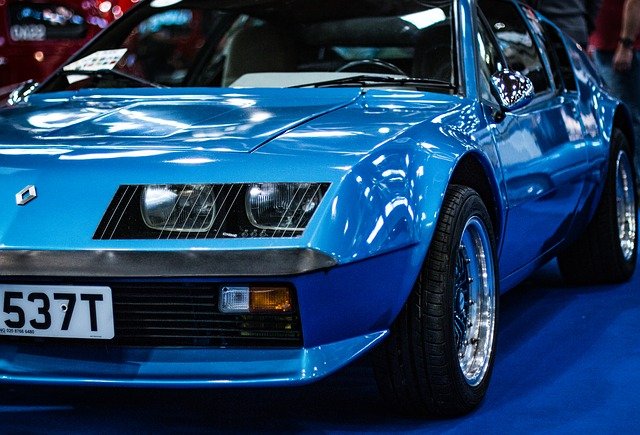
Alpine blue is another color that brings back fond memories of competition, particularly in relation to rallies. This color was first used on the A110 Berlinette, since both the competition and street variants had until then used other types of colors, which were generally plain. The original Alpine blue is a plain blue enhanced with a metallic effect that adds brightness and shine, as the base blue is a medium shade with high saturation.
The creation of this color came about by chance when a salesman of the French brand saw this blue color on another A110 and used it on his Alpine. Subsequently, he entered it in a rally and from then on its popularity grew exponentially, to such an extent that it became the official color of the company’s competition vehicles. From these beginnings, there have been different variants of Alpine blue leading to the current Alpine blue, but they have all been used in both racing and street cars.
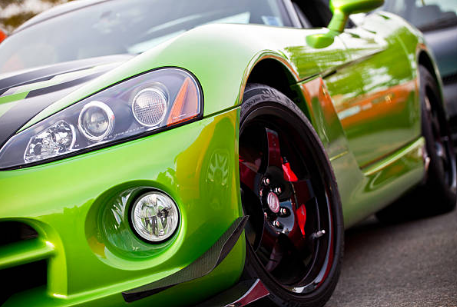
Legendary Color 9 – Viper Green
Another of the colors most closely linked to the world of sports cars and which has been used for many years is Viper green, also known as pistachio green. This color resembles that of the green palm pit vipers that inhabit Costa Rica, Panama and the Peruvian jungle. It is a very bright green that catches the eye with its electric effect, an impression that is significantly enhanced when pearlescent effects are included in the paint formulation, as is the case with the new STR Viper.
Viper green has been used by many brands such as Ferrari, McLaren, Mercedes, Audi, Porsche, Lamborghini and Dodge, among others, to coat their high-end sports models. Each brand has customized the color to give it exclusivity and a unique touch, although none of them will leave you indifferent. So, you may love it or hate it, but one thing is clear: when you see it, it’s very difficult to look away. The following link shows a few vehicles painted in this characteristic green.
Legendary Color 10 – Viola Ophelia by Lamborghini
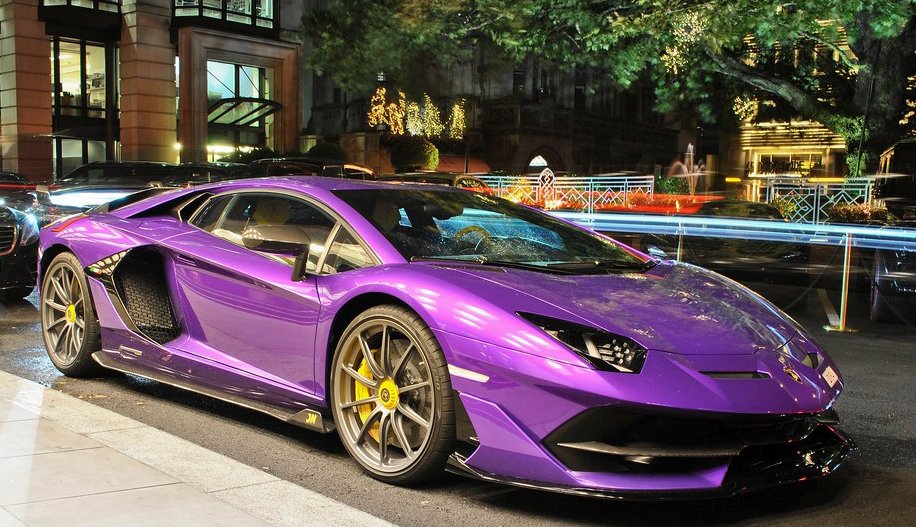
To conclude our careful selection of legendary colors, we have to mention Viola Ophelia. This color has been most widely used by Lamborghini, although it is not an option that is easy to see on our roads. It is a purple color with metallic and pearlescent effects that add brightness and shine. The combination of purple and effect colors produces a very attractive mix of tones. This color was first used in the 1990s and, since then, we have seen it on models such as the Aventador, the Huracán and the Murciélago. Interestingly, another similarity between these models is the origin of their names, since they all come from the bullfighting world.
The color of the bodywork as an identifying symbol
This is the end of the selection of legendary colors that we have chosen for two of our publications. We have shown you 10 colors that, in our opinion, are part of automotive history. In any case, we think we’ve made it clear that the color of the bodywork is more than just a coating and is clearly an expression of the vehicle’s personality and the owner’s tastes. So, if you liked any of them, don’t hesitate to use them in your next painting projects.