Find out what the ISO 12944 standard is for, how it is structured, and why it is so important to take it into account in industrial painting systems.
The ISO 12944 standard was published in 1998 and updated in 2018, and it sets the standards for the anti-corrosion protection of steel. Its elaboration is based on industry-wide consensus, with the participation of engineering companies from the “protective” sector, paint manufacturers, applicators, etc.
This standard consists of 9 different sections. Should you wish to delve into the first 7, we invite you to review the webinar “ISO 12944.” The philosopher’s stone of corrosion.
Part 1 – Definitions
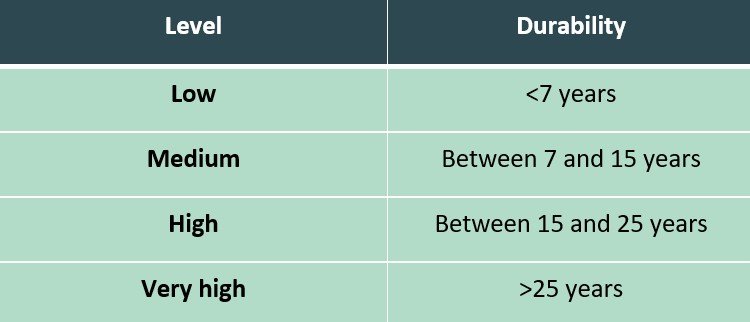
Firstly, the definition of the standard and its main concepts, such as the durability of the painting system, are established. The durability of the paint system means the time a carbon steel-based structure will be protected against a corrosive environment. It defines 4 levels of durability:
Part 2 – Classification of environments
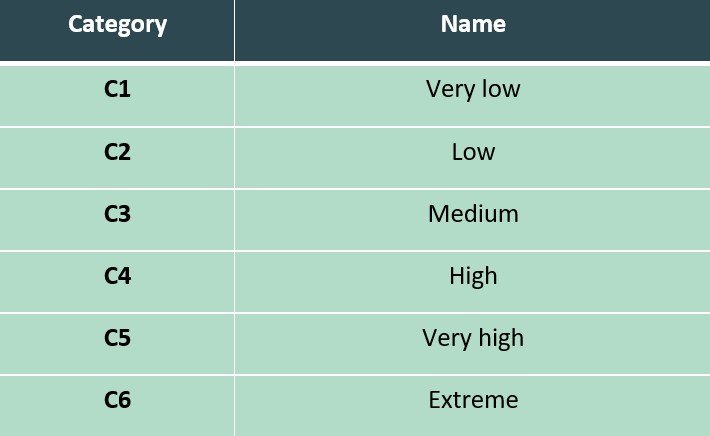
It classifies the environments that cause corrosion to steel, whether it is low in carbon or zinc plated. The category of corrosiveness in the environment is measured in two ways: by loss of mass (g/m2) or by loss of thickness (mm) of the metal during one year against exposure to said environments.
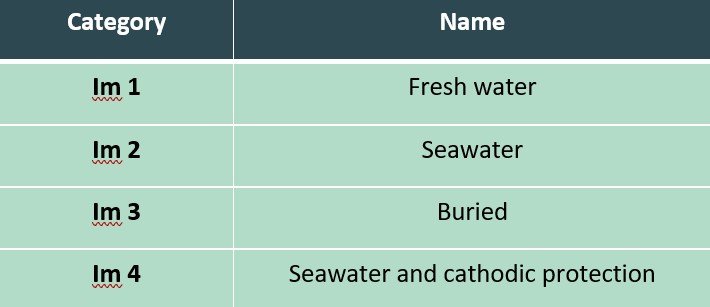
Two types of exposure are established:
Immersion:
Atmospheric:
Part 3 – Design Considerations
In the manufacture of the steel part itself, there may be design issues that complicate its protection against corrosion, such as weld seams, edges, notches, cracks, etc. This section of the standard deals with how to act on them to achieve an optimal preparation of the structure.
Part 4 – Surface preparation
The objective is that the steel should always free of contaminants, that is, substances that cause a premature oxidation of the paint system. A good example would be the presence of oil or grease that cause poor adhesion, or soluble salts that cause blistering.
Through manual or mechanical methods, the surface must be free of contaminants and feature a certain roughness to help the paint system adhere.
Part 5 – Paint systems
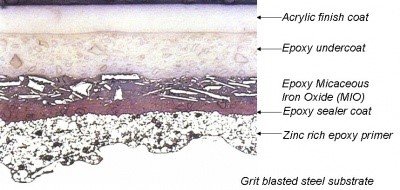
This section provides generic information about the paint systems that may be selected according to the corrosive environment where the steel will be exposed and the durability sought. It also provides information on the minimum dry thickness that these systems must meet.
Part 6 – Test methods
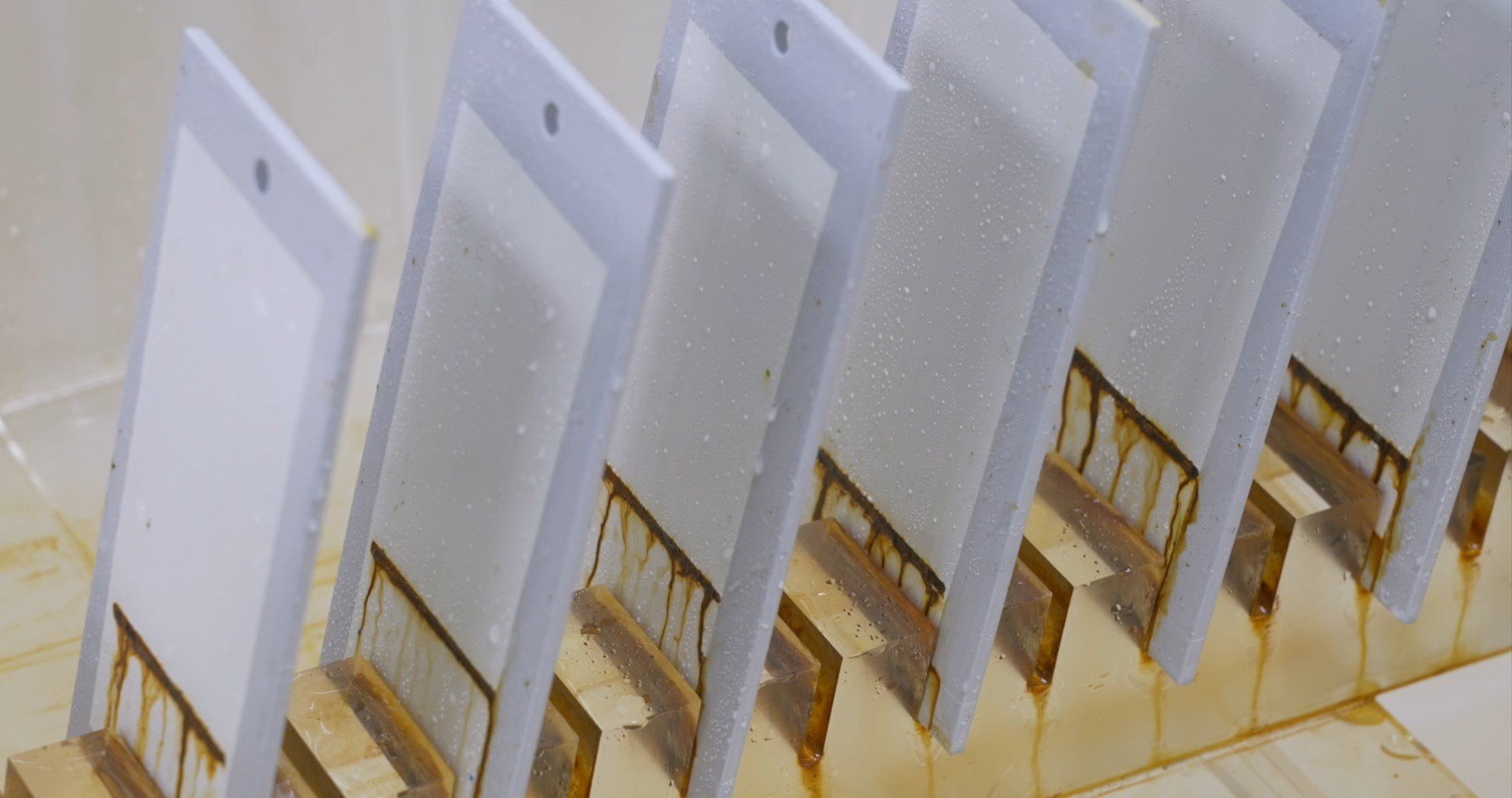
This section sets out the test methods and conditions in order to speed up an evaluation of how they protect liquid paint coatings against carbon steel corrosion in order to obtain long-lasting results.
Accelerated tests:
- Salt Fog Test, to evaluate the behavior of a paint system in conditions of high salinity.
- Humidity chamber, to evaluate the permeability of a paint system in conditions of maximum humidity.
- Immersion, to assess the permeability of a paint system under immersion conditions.
Should you like to learn more about the tests, we encourage you to sign up for the specific course on Industrial quality and specifications.
Part 7 – Supervision of the painting system works
This section describes the execution and supervision of painting work on steel structures in the workshop or on site, in terms of surface preparation and application of coatings.
Part 8 – Specifications for new jobs and maintenance
It refers to both new and maintenance work in the workshop or on site, and it also applies to the anti-corrosion protection of individual elements. It covers the anti-corrosion protection of steel structures exposed to different corrosive stress conditions in environments such as indoors, outdoors and immersion in water or buried, as well as special stress conditions, such as temperature.
This section also deals with the reference areas for evaluating the quality of anti-corrosion protection works and the behavior of the anti-corrosion paint system used.
Part 9 – Paint systems in offshore structures
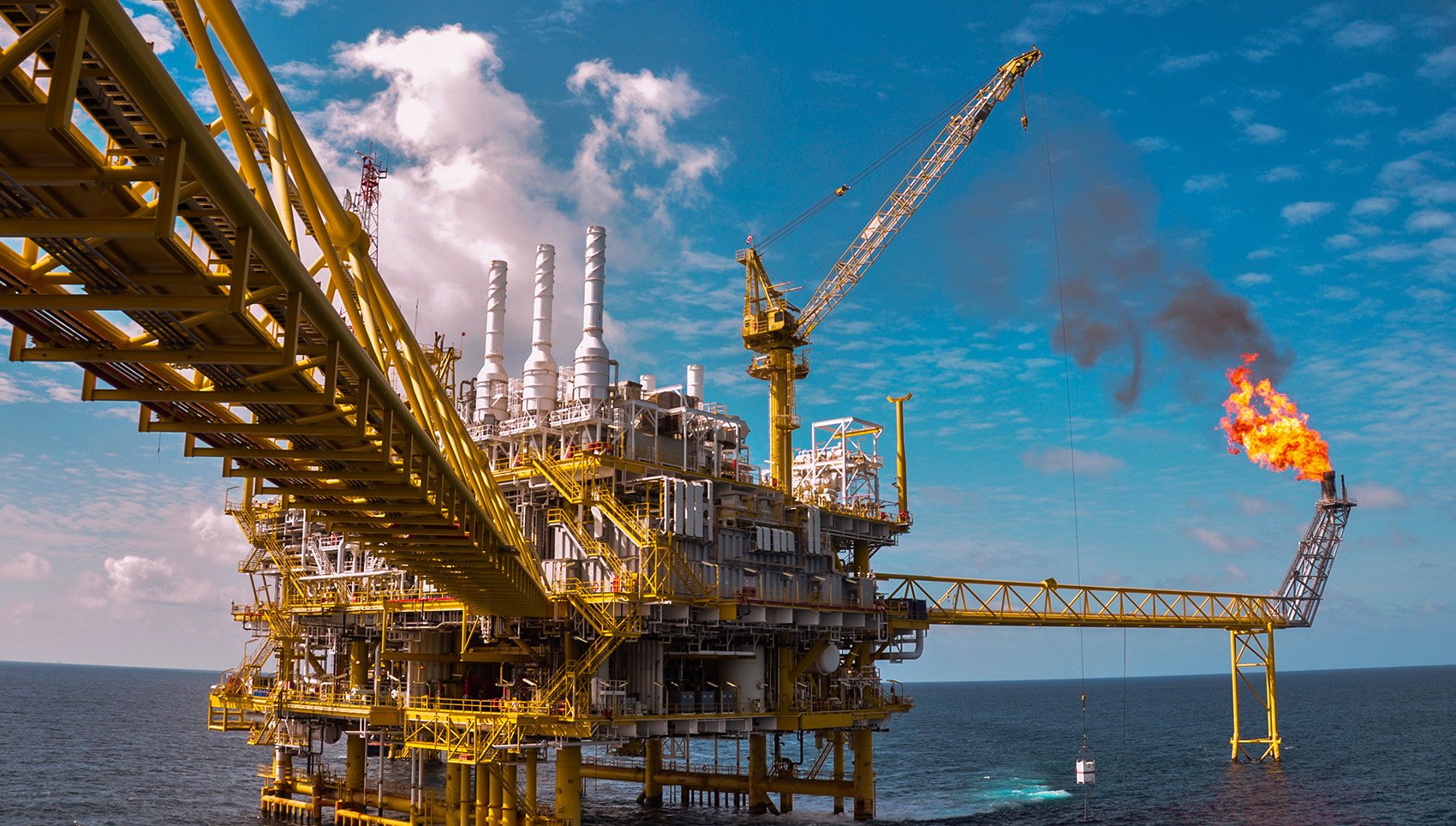
In this section, the standard deals with paint systems and test methods for offshore constructions and maritime structures.
A regulation to prevent corrosion
This has been a brief summary of the 9 parts of ISO 12944 that lay the foundation for corrosion prevention. Should you require further information, we invite you to preview the webinar: ISO 12944. The philosopher’s stone of corrosion.