When buying or selling a car, it’s essential to consider several factors that can influence its price. You might immediately think of new mechanical systems, features, and components that directly impact a car’s value, but there are other elements that also play a role. In this case, we’re talking about the car’s color.
While color might not seem as significant when buying a single car for personal use, its impact grows when you’re purchasing multiple vehicles, such as for a fleet. This raises the question: how does a car’s color affect its resale price? Let’s dive into the details to understand the key factors at play.
The Car’s Color
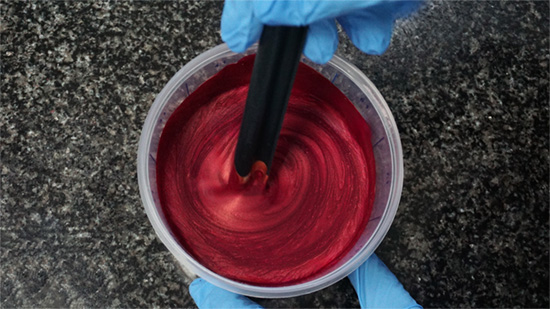
Car color refers to the finishing coat applied to the body to give it a specific hue and aesthetic appeal. These colors come from paints applied using either single-stage or two-stage systems, with the latter being more common today. In single-stage finishes, the color and gloss come from the same layer of paint. In two-stage finishes, two separate coats are applied: the first is the color coat, known as the base coat, and the second is a clear coat that seals and protects the finish.
At first glance, single-stage finishes may seem more cost-effective and functional, which might appeal to companies purchasing fleet vehicles. However, single-stage finishes have fallen out of favor in the automotive world due to their lower resistance to environmental factors (sun, dew, etc.) and higher levels of pollutants, as they contain more solvents than two-stage finishes. Moreover, their color options are limited to solid tones without special effects, ruling out the eye-catching colors seen on many cars today.
Given these factors, most cars today come factory-finished with two-stage coatings. These offer a wider color palette and superior durability over time.
How Car Color Affects Resale Price
Within two-stage finishes, there are solid colors and those with effects. Among the latter, we find metallic, pearlescent, and tinted clear coat finishes. Of these, solid colors are typically the most affordable, followed by metallic, pearlescent, and finally, those with tinted clear coats.
It’s clear that a car’s color does impact its resale price. However, this price influence might be less significant when buying a car for personal use, as choosing a color is one of the most exciting aspects for many customers. Color often stirs emotions and sensations, and it’s a personal touch that influences a car’s aesthetics.
As a result, individual buyers are usually willing to pay the extra cost for certain colors since the price difference is relatively small. However, for companies purchasing fleet vehicles, color becomes less of a priority. Spending extra on paint can seem like an unnecessary expense that only serves to increase the overall cost.
For example, the price of a personal vehicle can increase by €300 to €1,000 depending on the color, although for luxury cars, the price hike can reach up to €7,000, as seen with some matte finishes from Audi. When it comes to fleet vehicles, the price might be negotiable, but the added cost for color will never be fully eliminated.
And that’s not the end of the story. If a vehicle needs repainting, metallic or pearlescent finishes will also be more expensive than solid colors.
Finally, from a technical standpoint, repainting metallic and pearlescent colors can present challenges that affect the final finish and reduce the vehicle’s resale value. Some common defects include:
- Shading: This occurs due to incorrect application. Typically, the color is applied in two coats, followed by a control coat applied at a greater distance and with lower pressure. Following these guidelines helps avoid shading issues.
- Color shifts: Matching metallic and pearlescent colors is more complex than solid tones, which is why this technique isn’t commonly used when a color variant doesn’t match well enough. As a result, the risk of color shifts in spot repairs increases significantly. For this reason, it’s recommended to measure the color using spectrophotometers and blend adjacent panels rather than using spot repairs.
Additionally, incorrect alignment of metallic or pearlescent particles can cause the color to darken (a “flop” effect) when viewed from certain side angles. To avoid this issue, beyond applying the color correctly, it’s recommended to use a wet-on-wet application. Specific additives, known as “blenders,” can be applied to the panel before painting. This creates a wet transparent layer that helps the metallic or pearlescent particles settle correctly.
How Car Color Affects Resale Price: Data
In addition to general trends, the platform iseecars.com conducted specific studies in the U.S. on how car color impacts resale prices. Their findings are quite interesting:
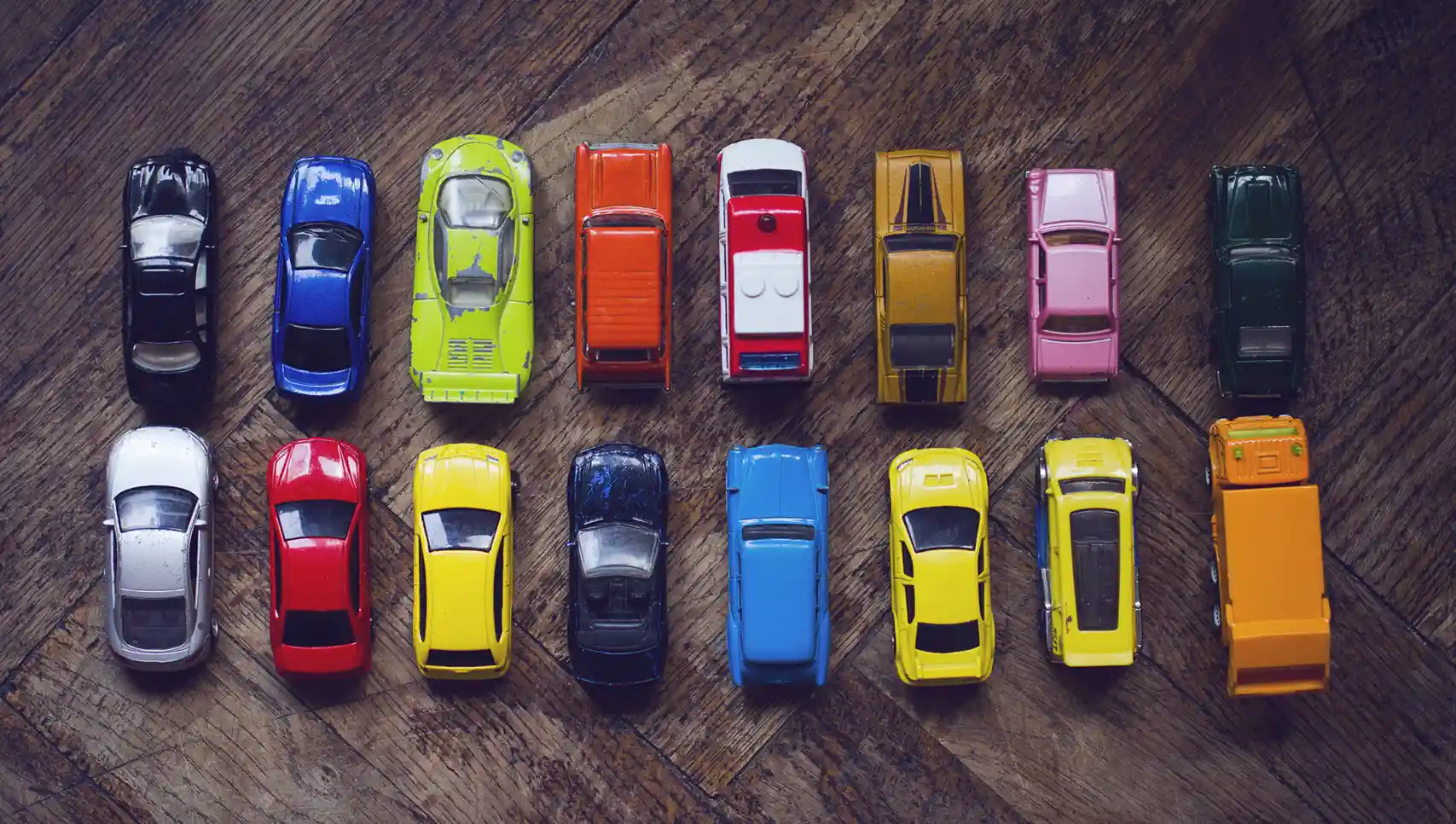
- The colors that depreciate the least over three years are yellow (-13.5%), beige (-17.8%), and orange (-18.4%). On the other hand, the colors that lose the most value are gold (-25.9%), brown (-24%), and black (-23.9%). Between these extremes, in ascending order of depreciation, are green, red, white, blue, gray, purple, and silver.
This study also offers depreciation statistics based on the vehicle segment. You can find all the information here.
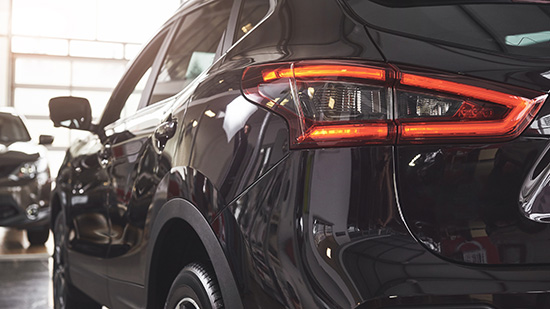
Conclusion: Car Color Does Impact Resale Price
As we’ve seen, a car’s color can influence its value and ultimately affect how much you end up paying for it. Thus, color choice is an important factor to consider in certain contexts and shouldn’t be based solely on aesthetics.
In any case, a thorough analysis of your purchase priorities will be your best tool when choosing the car color that best suits your needs. Don’t forget!