The car refinishing process is made up of different stages, and errors can occur in each stage that affect the final result. Explained below are the 5 most common defects in the bodyshop, how they can be prevented and rectified to ensure a good final result:
Runs
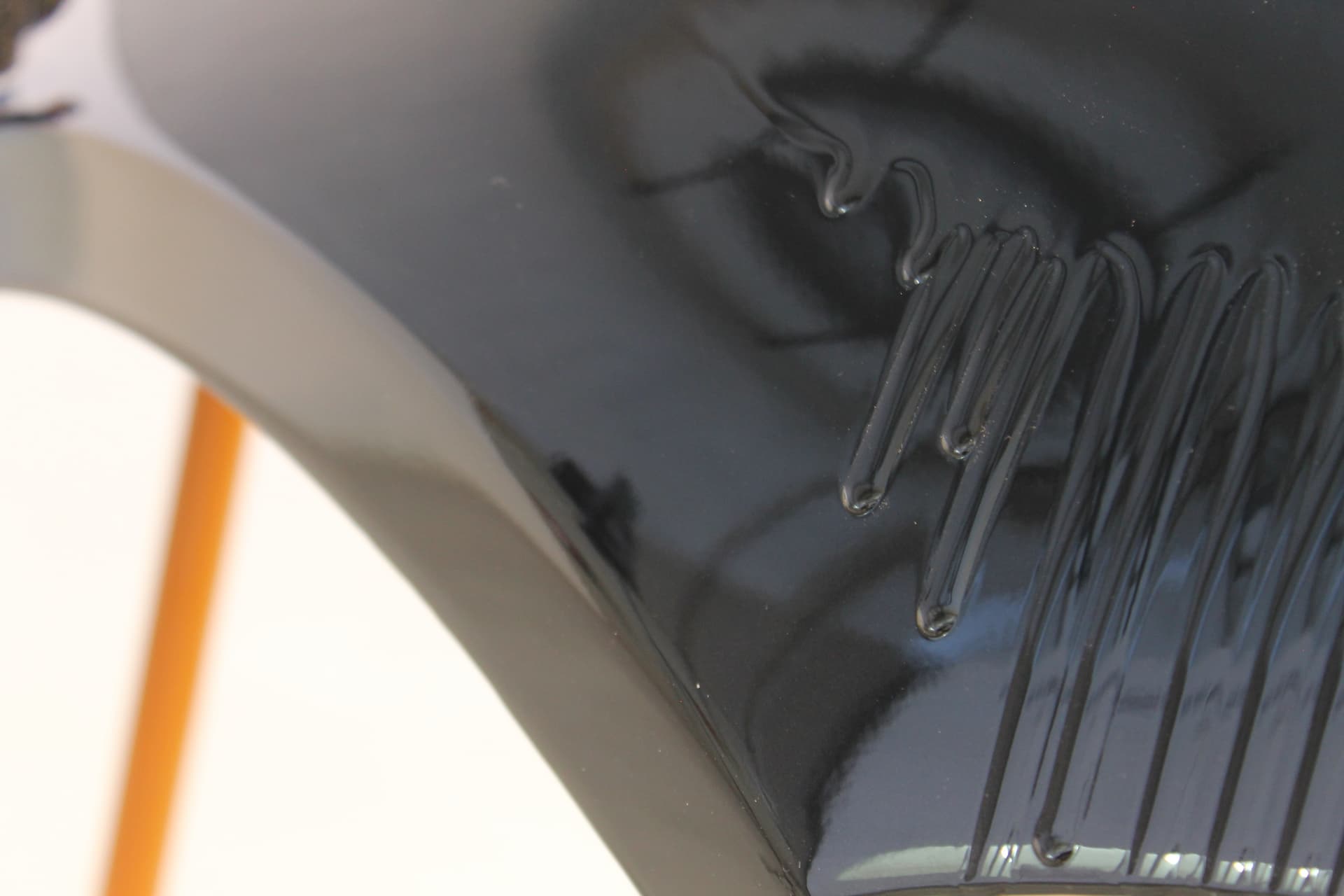
The paint and/or clear coat applied by spraying sags in isolated spots in the form of a drip or tear.
Causes of runs
- Unsuitable application viscosity, painting technique, flash-off time between coats and thicknesses.
- Incorrect gun parameters.
- Incorrect air pressure.
- Product or booth temperature excessively low.
- Unsuitable solvent or hardener.
Preventing runs
- Follow the instructions on the technical data sheet.
- Use guns that are in perfect condition, and use the correct pressures and settings for the product.
- Keep the panel and the material at an ambient temperature of around 20°C (68ºF).
- Use an adequate combination of hardener/solvent.
Repairing runs
- Sand the damaged area and polish.
- In more severe cases, sand and reapply.
Defects caused by silicone
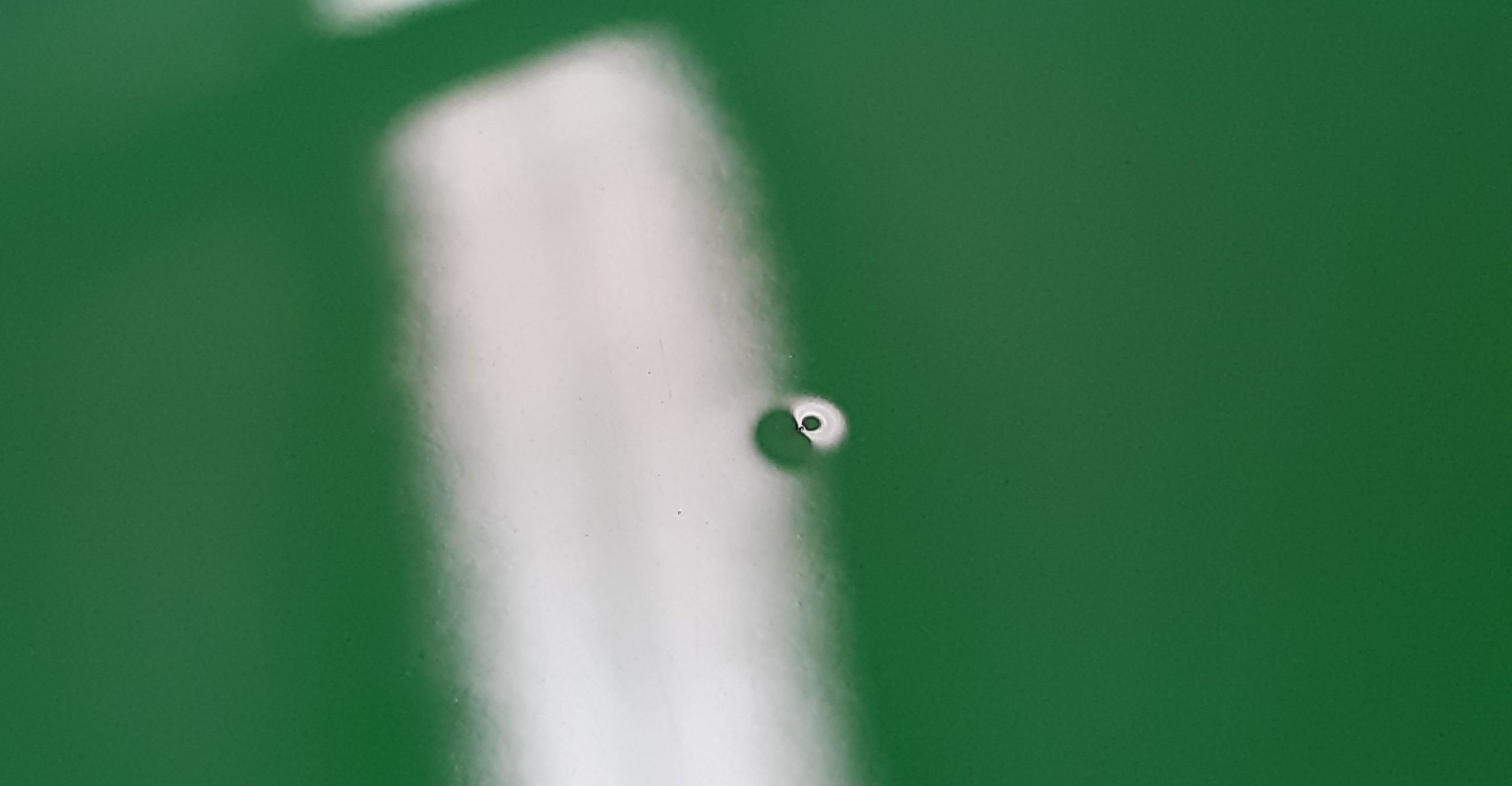
These are known as craters. They are circular surface cavities that can appear on intermediate coats and on the topcoat, due to the presence of oils, waxes, silicones, etc. that repel the paint.
Causes of silicone craters
- Lack of cleaning on the painted surface.
- Presence of combustion gases or polluting products from outside.
- Polishing or buffing with products that contain waxes or silicones.
- Compressed air equipment is contaminated by water or grease.
Preventing silicone craters
- Eliminate all traces of silicones by thorough cleaning with degreaser.
- Prevent the entry of gases into the painting area.
- Do not polish with waxes and polishes that contain silicone before painting.
- Periodically service the compressed air equipment to keep it clean and in good condition.
Repairing silicone craters
- Sand with P1500, polish and buff.
- Sand and refinish, sometimes it is recommended to re-prime.
Blisters
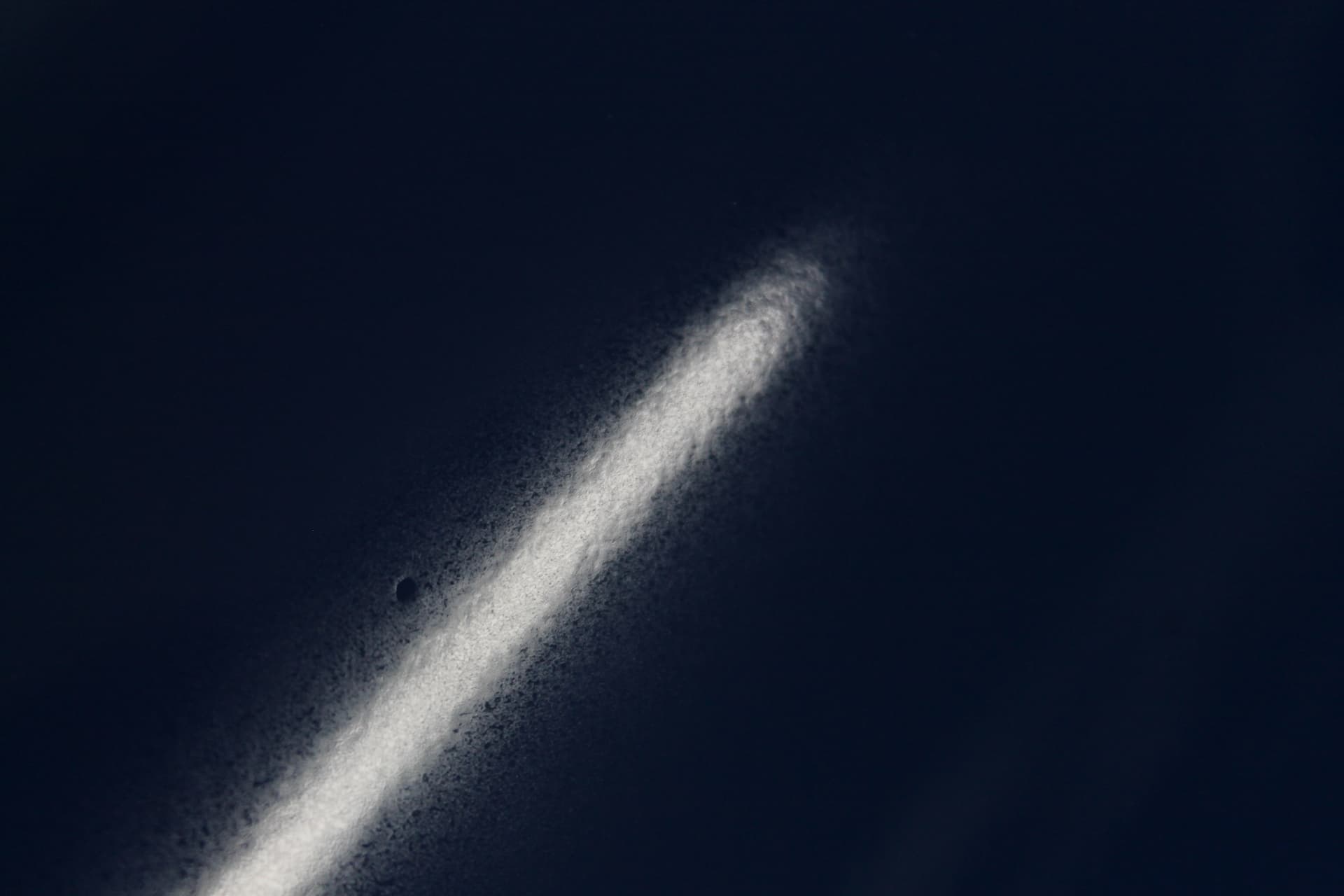
These appear as bubbles on the surface, and are caused by surface drying of the coat. The solvents are trapped and break this layer when released.
Causes of blisters
- Unsuitable application viscosity, painting technique, flash-off time between coats and thicknesses.
- Incorrect gun parameters.
- Incorrect air pressure.
- Product or booth temperature excessively low.
- Unsuitable solvent or hardener.
Preventing blisters
- Apply normal coats, avoid product overloading.
- Occasionally check the oven.
- Follow the instructions on the technical data sheet.
Repairing blisters
- Refinish after drying, without sanding (within 24 hours) or sand with an ultra-fine pad.
- After drying and sanding, apply primer and, sometimes, polyester filler, as well using a gun to cover all the pores or remove the defective topcoat and refinish.
- Sand, prime and refinish the surface.
Orange peel look
The coating has a similar appearance to that of orange peel, with a wavy and irregular appearance, caused by a lack of leveling during application.
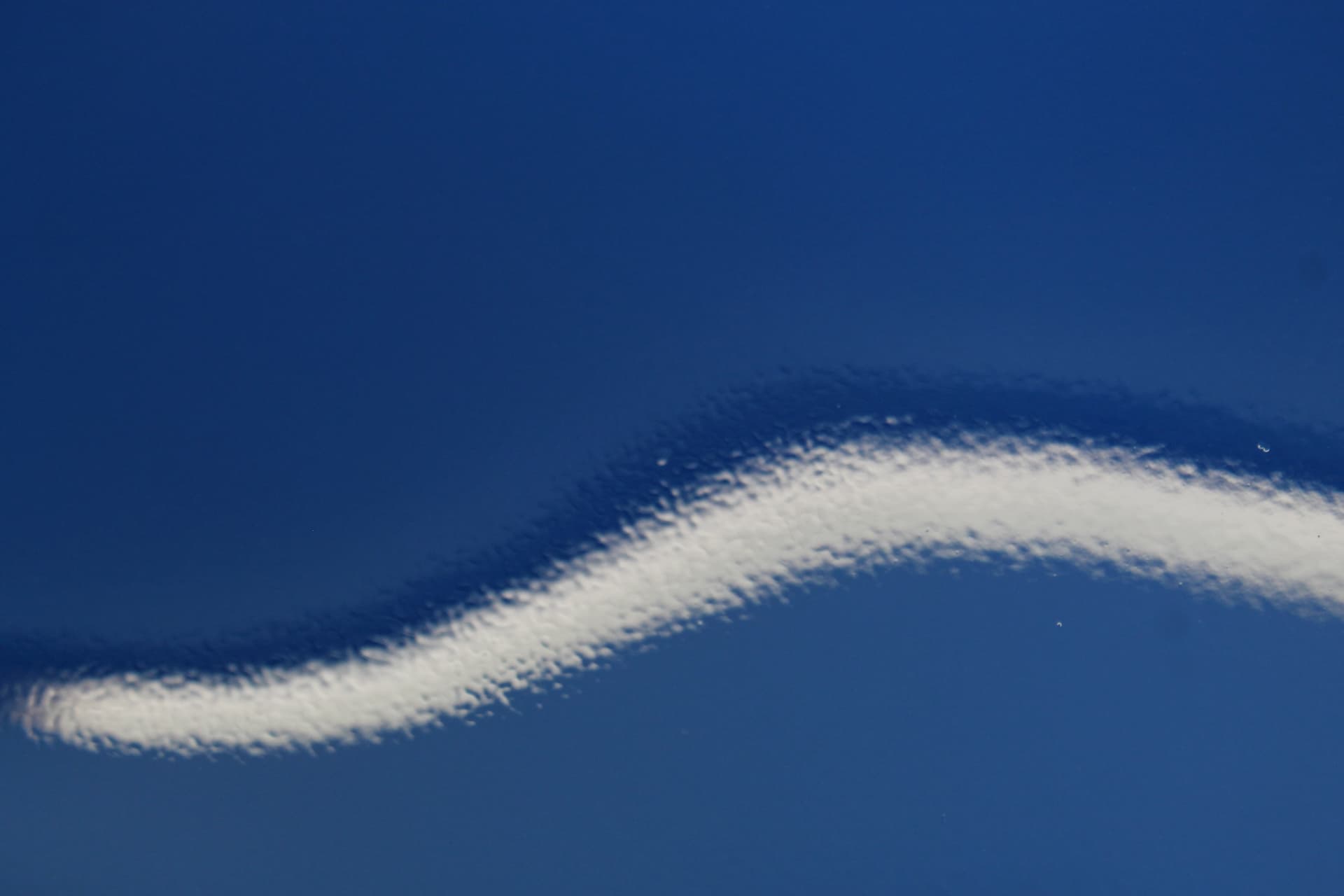
Causes of orange peel
- Low air pressure, incorrect viscosity or painting technique.
- Incorrect combination of solvents or use of poor quality solvents.
- Insufficient sanding of the primer.
- Incorrect gun parameters.
- Excessive booth temperature.
Preventing orange peel
- Follow the instructions on the technical data sheet.
- Prepare and sand the primer correctly.
- Use the correct gun, nozzle, pressure and quantity of product.
- Always use the recommended solvent.
- Do not apply at very high temperature.
Repairing orange peel
- Sand and polish.
- Sand and refinish.
Clouding or mottling
These are stains that appear due to irregular application of the paint, mainly in metallic colors.
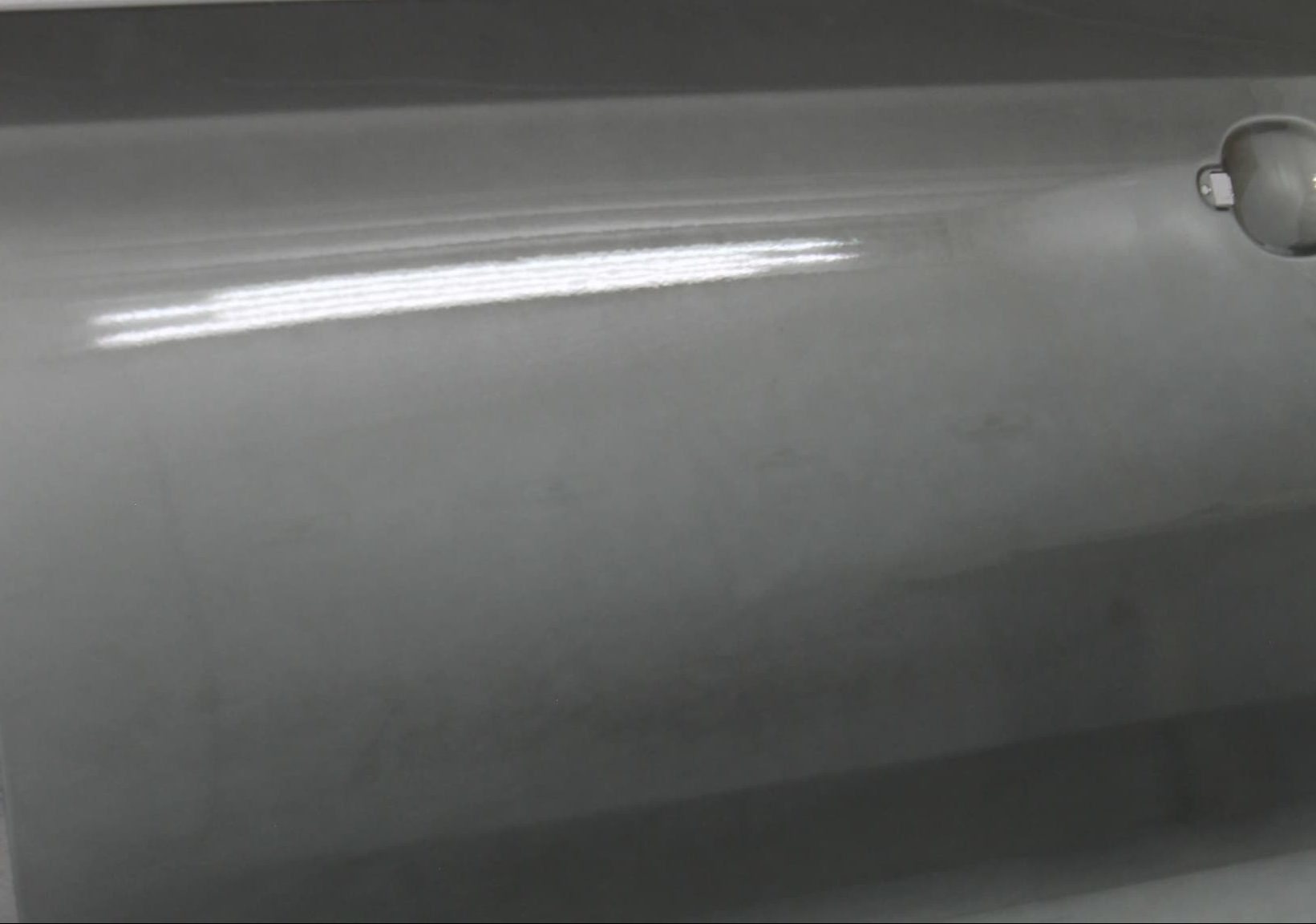
Causes of clouding or mottling
- Poor application of the color coat due to an incorrect painting technique.
- A dirty gun or one that is in poor condition does not apply a uniform coat.
- Poor choice of thinner.
- The potential for the appearance of clouding or mottling increases with fast drying times.
Preventing clouding or mottling
- Keep application guns clean and in good condition.
- Use the correct technique, with uniform painting using the mist coat when necessary.
- Use appropriate thinners for the temperature at which you are working.
Repairing clouding or mottling
- Sand the surface and repaint following the steps to prevent the appearance of clouding or mottling.
The best solution is prevention
By following the preventive measures described in this article, you will avoid the 5 most common defects that appear in car refhinising, avoiding the need to repeat processes that increase the cost of the repair and hamper the efficiency of the bodyshop. Good theoretical and practical knowledge are essential for a quality repair or refinish: if you want to extend your knowledge on the auto body repair sector, don’t hesitate to take the Crom Campus courses.