Countless times throughout our lives, we have been standing at a bus stop, walking down the street, or simply waiting for the traffic light to change when we suddenly start noticing the colors of the different cars passing by. And it is precisely at that moment that we inevitably fantasize about the color we will choose for our next vehicle or make statements such as “what a horrible car color!” or “I love how that color suits that car!”
Be that as it may, the reality is that choosing a car color is a very subjective and personal decision that, in most cases, responds to a preference, need, or feeling. Even so, do you think there is a pattern of preference when it comes to choosing a car color? Or do you know what the most common car colors are?
If you’re curious to know this information, and you’ve already made a mental guess about the criteria for choosing and the most common colors, keep reading because you’ll soon find out if your predictions are right or wrong.
Most common criteria when choosing the color of a car
There are different motivations that lead a buyer to choose a particular color for their car. While some of them are absurd, for others they are particularly relevant, so we appeal to the saying “to each their own” to make it clear that choosing a car color is a very personal decision that we must respect in all cases. Having clarified this, the different patterns of choice that people tend to weigh to a greater or lesser extent when choosing the color of their car are as follows:
Aesthetics
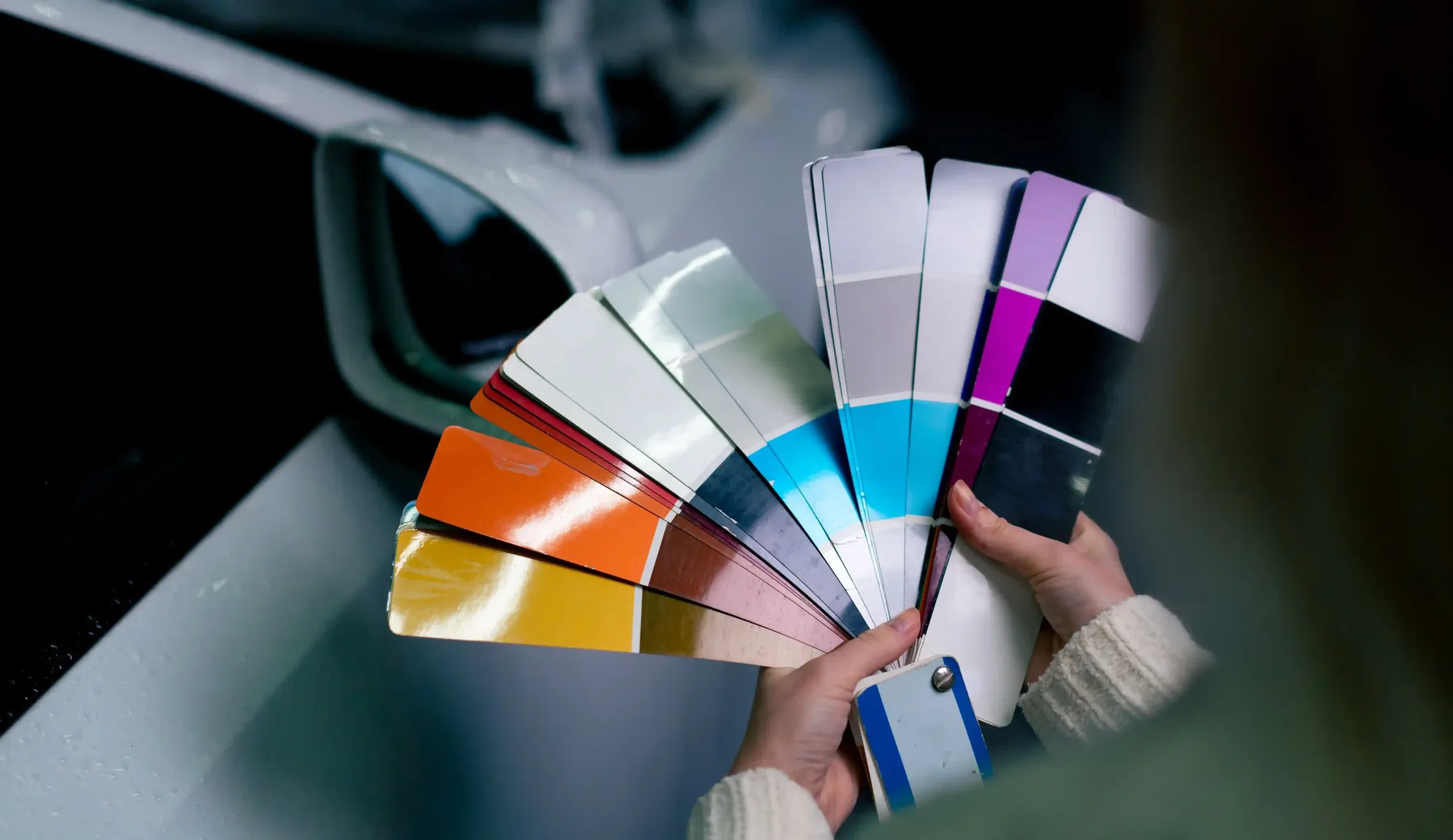
One of the main reasons for choosing one car color over another is the aesthetics perceived by the buyer, which are automatically associated with the color. These aesthetics can be divided into two categories: one more subjective and the other more rational. The first is based on the buyer’s subjective assessment of the vehicle’s aesthetics based on their particular preferences and tastes related to color. In this sense, there are people who, whatever car they buy, will always choose the color they like without considering other factors. And if they cannot choose it because the manufacturer does not offer it, some of them will even be willing to repaint it in the desired color.
On the contrary, the more rational aesthetic approach is one that leaves personal preference aside and allows the user to choose a specific color because, from an objective point of view, it is clearly the one that best suits that vehicle. For example, a very distinctive current color that fits Mazda vehicles like a glove is 46G.
Learn how to reproduce the color of Mazda 46G Machine Grey.
Purchase price
The purchase price is another of the main criteria that users take into account when choosing the color of their car, as there can be substantial differences between colors, especially if we consider that certain colors may be included in specific packages that are associated with other features or equipment. In any case, the general trend is that purchasing a solid color is more economical than those that include some type of metallic, pearlescent, or special effect, so this can be a determining factor when choosing.
Functionality in terms of cleaning the auto bodyshop.
From this perspective, a distinction is made between light and dark colors, with the former tending to be more forgiving colors in which surface dirt that accumulates on the auto bodyshop is less noticeable, while the latter are colors in which the slightest surface dirt is quickly perceived by the human eye. Among light colors, whites and silvers are the most forgiving, while on the other hand, blacks, dark grays, and navy blues suffer the most aesthetic consequences of dirt. Therefore, those who value this aspect and do not clean their vehicle weekly may opt for light colors.
User personality
People’s personalities can also influence their choice of car color. In this sense, certain users demonstrate the peculiarities of their personality in a multitude of everyday details, such as the clothes they wear, the way they express themselves, or how they decorate their home. This trend also carries over to vehicles, with sophisticated or elegant people opting for neutral colors such as gray or black, and people with a more cheerful or daring personality preferring brighter colors such as yellow. Discover the most daring colors manufactured by the brands.
Value associated with color
It is not common for people to consider the impact that color can have on the price of insurance or how it affects its resale price. However, these are variables that exist and, when the time comes, they do affect the value of the vehicle, so some users may take this criterion into account when choosing a car. As a general rule, car insurance is cheaper when the color is white or light, as these colors have a history of lower accident rates, while white, gray, and black colors tend to fetch a better price on the second-hand market.
Climate
As we all know, dark colors, especially black, absorb heat, while light colors, especially white, do not do so to the same extent. Therefore, depending on the climate where they live, some buyers may take this factor into consideration.
Most common colors in the vehicle fleet
Regardless of what leads a user to choose one color over another, the reality and statistics compiled from 1953 to the present day by various companies and organizations show that the most common colors in the global car fleet are, in order of popularity, white, black, and gray, with pearlescent whites outnumbering solid whites, while for black it is the opposite. For gray, there is no distinction between solid and effect colors.
However, if we limit the figures to the last two years studied so far, which would be 2022 and 2023, we can see that white continues to be the most desired color by users in both periods, with an increase in solid topcoats compared to pearlescent topcoats in 2023. Beyond this supremacy, the rest of the Top 3 positions are much more closely contested, with black taking second place in 2022, with most users opting for metallic and pearlescent finishes, while in 2023 it was gray that took this position, to the detriment of black, which fell to third place.
Although white is the color preferred by drivers worldwide, the reality is that this is true on all continents except Europe, where the preferred option in 2023 was gray, followed by black and, finally, white.
But are preferences in Spain the same? Basically, yes, as these three colors currently remain in the top three in relation to last year, according to publicly available data, which was 2022. Specifically, data published by the company carVertical shows that the color preferred by Spaniards was gray, followed closely by white and black, which came in third place, quite a distance ahead of the fourth-ranked color, red.
However, this trend has not always been the case, as at the beginning of the new century, around half of drivers preferred gray, and blue was ahead of white, black, and red. Today, as we have already mentioned, gray maintains its dominance, but white, which reached number one in the decade from 2010 to 2020, and black are close behind, while blue is losing steam and red is rebounding to take fourth place. The following image shows a graph produced by the company carVertical and published by the newspaper El País, which reflects the evaluation of colors chosen by car buyers over the last 22 years:

What conclusions can we draw from this data? Well, beyond the fact that tastes and colors change over the years, we can say that, in general, drivers choose neutral and sober colors that are not flashy but denote style and elegance.
A Matter of Personal Taste
As in many other aspects of life, people’s preferences determine certain decisions related to the purchase of material goods. In the case of vehicles, color is a factor that can be particularly decisive for many users. However, the most important criteria taken into account when choosing the color of a car can vary greatly from person to person.