In the previous post on 6 environmental factors that can damage car paintwork, we analyzed the harmful effects caused by solar radiation, humidity and fouling of biological origin, do you remember? However, three other factors, no less important, that can also cause damage to the car’s paintwork remain to be analyzed. What will they be this time? Whatever they are, don’t worry, because this time we will also tell you how to prevent and remedy them, so let’s get started!
What 3 other environmental factors can damage car paintwork?
It is already known that the environment in which a vehicle circulates is potentially damaging to its paintwork over time. Within this environment, the environmental factors that can most damage the car’s paintwork are humidity, solar radiation and biological fouling. However, these are the other three factors that are also aggressive to the paintwork:
Harmful environmental factor Nº4: Dirt and environmental pollution.
The environment as well as the roads and pavements on which a vehicle is regularly driven are full of substances that adhere to the paintwork and various surfaces of the vehicle.
On the one hand, there is the dirt from the asphalt and road surfaces. This type of dirt is a conglomerate of acidic substances that is usually deposited on the underside of the vehicle and on the tires. The most common residues are mud and surface dirt that cover these areas in the form of a blackish veil. Its removal is simple and involves washing the vehicle on a regular basis, every two or three weeks at most, in order to avoid any type of deterioration caused by this type of residue. Cleaning is done as follows:
- First, a pre-wash is done with a pressure washer to remove coarse dirt and soften encrusted dirt. Washing can be done with or without shampoo.
- Secondly, the vehicle is washed by hand with water and neutral pH shampoo, rubbing the surface gently with microfiber or sheepskin cloths.
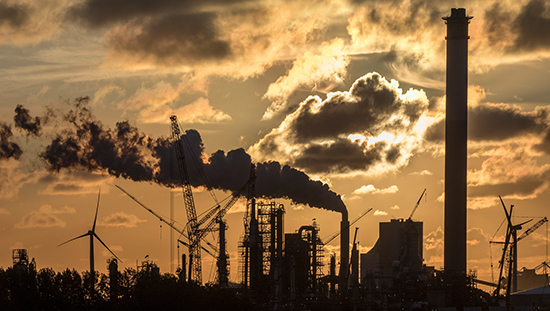
On the other hand, environmental pollution is also harmful to the car’s paintwork. This type of pollution is formed by the accumulation of chemical compounds in suspension in the atmosphere, such as carbon monoxide, nitrogen dioxide or sulfur dioxide, among others. These residues are generated by the exhaust gases discharged by internal combustion vehicles, the burning of fossil fuels used for energy production (acid rain), industrial activity, and forest fires. This type of dirt is deposited on the vehicle’s paintwork and little by little becomes encrusted on it, generating a degenerative process that initially takes away its shine and smoothness to the touch, and later ends up degrading it.
To prevent these undesirable effects, in addition to the regular cleaning of the vehicle, it is advisable to protect the paintwork with waxes and ceramic coatings. However, before applying these treatments, and in order to ensure proper protection and shine, it is essential to polish after decontaminating the paintwork. This decontamination can be carried out using one of three methods:
- Chemically, by means of acidic cleaners. These products offer a powerful cleaning but can be harmful to the paintwork if the manufacturer’s instructions are not strictly followed.
- Mechanically, by rubbing the surface with clay products (clay bar) after the surface has been sprayed with specific lubricants.
- Combining both methods to achieve complete decontamination.

Harmful environmental factor Nº5: Industrial fouling.
Industrial activity manufactures and transforms a multitude of raw materials into end products that are subsequently used in different production sectors. These end products can damage the car’s paintwork when they come into contact with it. Some examples of this type of incrustations are tar, cement, expandable polyurethanes, or the application of coatings on building facades. At first glance, it may seem difficult for these contaminants to reach the bodywork, but these two traffic situations must be taken into account:
- The first occurs when the vehicle is driven on newly asphalted roads, whe
re there is a risk of tar or some similar compound being projected onto the lower parts of the vehicle. Avoiding this is complex, if not impossible, so the solution lies in prevention. Therefore, when these types of incrustations are detected, it is advisable to remove them with specific cleaners or with acrylic degreasers or alcohols, whenever possible before they dry. - The second situation occurs when the vehicle is parked in areas close to construction sites, where there is a high risk that the work being carried out on the facade may cause accidental splashes or projections on the paintwork. In these cases, the removal of the residue is more complex, so it is recommended to avoid parking in the vicinity of any construction site. In the case of incrustation, its removal will depend on the nature of the contaminant, so it is advisable to take the vehicle to a reliable workshop to assess the best possible option. As an example, a cement splash can be removed relatively easily, since it does not usually adhere strongly to the surface, while the projections of expandable polyurethane are very difficult to remove due to their high adhesion level.
Harmful environmental factor Nº6: Salinity.
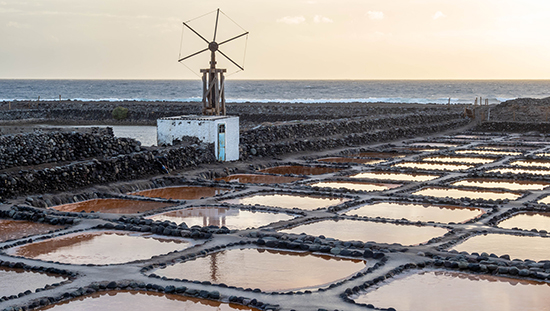
Salt is the last of the environmental factors that can damage car paintwork. The clearest example of this is marine environmental salinity. As we all know, seawater is salty. Specifically, every 100 grams of seawater contains an average of 3.5 grams of dissolved compounds, including chlorine and sodium, i.e. salt (sodium chloride).
Sodium chloride is corrosive when in contact with steel, discoloring when in contact with paint and highly abrasive, as it is dispersed in small crystalline grains, hence the risk it poses to the vehicle’s paintwork. But if the salt is in the water, how does it reach the vehicle? Well, it arrives dragged through the air by the breeze and the wind from any beach. This then ends up deposited on the paint creating a thin whitish veil. Therefore, when this happens, the recommendation is to wash the car as soon as possible with a pressure washer avoiding rubbing the surface to avoid any scratches caused by the tiny grains of salt. In the event that the salt layer is dry and rubbing is necessary, always exert little pressure and use microfiber cloths.
Another harmful example of salinity is that caused by the salt used to thaw snow. This salt lowers the melting point of the snow, making it easier to thaw. However, it is also harmful to paintwork and bodywork in the same way as marine salinity can be. It is therefore advisable to pressure wash the lower areas of the vehicle after driving on snowy roads.
Paint care as a way not to detract from the value of our vehicle
As pointed out in the previous post, the car’s paintwork provides attractiveness and protection to the bodywork, so taking care of the paintwork is an undeniable necessity that does not detract from the value of the vehicle, especially if we take into account the current difficulties in the market for accessing new vehicles. In this sense, knowing the six environmental factors that can damage the car’s paintwork that have been analyzed in this series of two articles, as well as how to prevent and correct them, is the best alternative to preserve the condition and value of the paint.
And as you should already know, if you detect any of these environmental factors, don’t hesitate to eliminate them quickly!